

Paying off loans responsibly isn’t about extreme sacrifice—it’s about using a clear system that protects your essentials, reduces interest costs, and keeps you consistent month after month. This beginner-friendly guide walks you through practical debt management strategies you can apply to credit cards, personal loans, student loans, and other common debts.
Debt becomes stressful when it removes your options: it eats cash flow, raises your monthly “must-pay” commitments, and adds mental load. A responsible payoff plan does the opposite—it creates stability first, then accelerates repayment, and finally helps you stay debt-free long-term.
A key mindset shift for beginners: debt management is not just “pay more.” It’s a system of priorities—paying the right debts in the right order, minimizing fees and interest, and keeping a safety buffer so you don’t fall back into new debt.
This guide uses a simple sequence: (1) understand your debt, (2) stabilize cash flow, (3) choose a payoff strategy, (4) negotiate or restructure when appropriate, (5) prevent relapse.
Key Takeaways
- Build clarity: a complete debt list is the starting point of every strategy.
- Pay essentials and minimums first; then target one debt aggressively.
- Choose avalanche (lowest cost) or snowball (highest momentum) and commit.
- Protect a small emergency buffer so surprises don’t create new debt.
- Avoid late fees and high-interest traps; fix the system, not just the symptoms.
Step 1: Get clear on what you owe (the “debt inventory”)
Responsible repayment starts with visibility. Many people avoid looking because it’s uncomfortable, but clarity is what makes progress possible.
Create a simple debt inventory
Make a list with one row per debt:
- Lender / account name
- Balance (current total owed)
- APR / interest rate (or approximate)
- Minimum monthly payment
- Due date
- Type (credit card, student loan, auto loan, personal loan, etc.)
- Status (current, past due, in collections)
This takes 20–30 minutes and removes a lot of uncertainty.
Understand the difference between “good” and “bad” debt (carefully)
You’ll hear people label debt as “good” (like student loans or mortgages) and “bad” (like credit cards). For beginners, the safer lens is:
- High-interest debt is urgent because it grows fast.
- Any debt that causes missed bills or stress is a problem debt.
- Low-interest debt may be less urgent—but only if your finances are stable.
Step 2: Stabilize your cash flow before you “attack”
The biggest reason debt payoff plans fail is instability. If you’re constantly short on bills, you’ll end up missing payments, paying fees, or using credit again.
Protect the basics first
Your “financial base” comes before extra debt payments:
- Housing
- Utilities
- Basic groceries
- Essential transportation
- Minimum debt payments
If these aren’t stable, your debt plan becomes fragile.
Find your “margin”
Margin is money left after essentials and minimums. Even a small margin matters because it becomes your fuel for extra payments.
Fast ways to create margin (beginner-friendly):
- Cancel/downgrade one subscription
- Reduce convenience spending (delivery, impulse shopping)
- Cap one flexible category weekly
- Pause non-essential spending for 30 days (“short sprint”)
The goal isn’t misery—it’s creating a reliable gap that you can direct.
Step 3: Build a small safety buffer (so you don’t go backward)
It can feel counterintuitive to save while in debt, but a small buffer prevents new debt when life happens.
The starter emergency buffer
A beginner starter buffer is small but powerful because it covers:
- Minor repairs
- Medical copays
- Unexpected bills
- Timing gaps between paychecks
Without this buffer, any surprise pushes you back onto credit cards, undoing progress.
When to prioritize saving vs paying extra
A responsible rule of thumb:
- Always pay minimums to avoid late fees and credit damage.
- Build a small buffer if you have frequent “surprises” or unstable income.
- Then focus extra money on the highest-impact debt payoff plan.
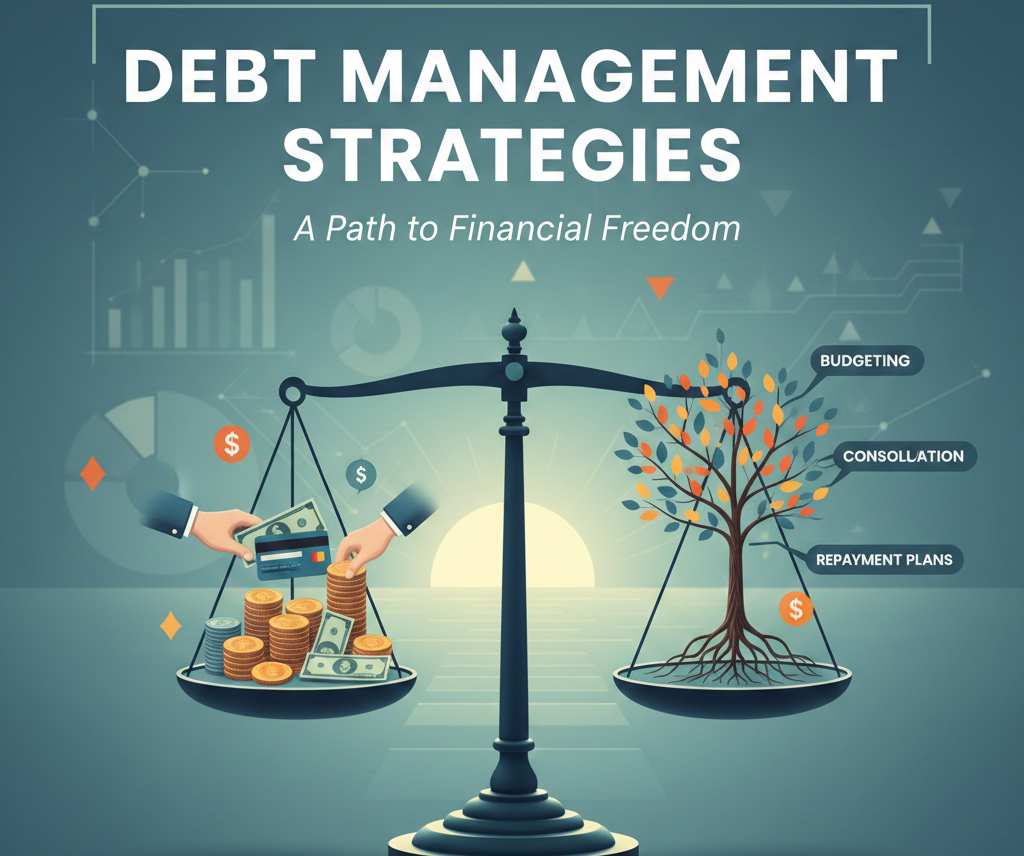
Step 4: Choose your payoff method (avalanche vs snowball)
If you have multiple debts, the two classic methods are:
Debt avalanche (usually lowest cost)
You pay minimums on everything, then put all extra money toward the debt with the highest interest rate first.
Why it’s good:
- Typically saves the most interest over time
- Reduces the “growth rate” of your debt fastest
Best for:
- People who are motivated by math and efficiency
- Anyone with high APR debt (especially credit cards)
Debt snowball (usually best momentum)
You pay minimums on everything, then put all extra money toward the smallest balance first.
Why it’s good:
- Early wins increase motivation
- Simpler psychologically
Best for:
- People who feel overwhelmed and need quick progress
- Those who have many small balances
Which should a beginner choose?
Choose the method you can follow consistently for 6–18 months. The “best plan” is the one you finish.
Step 5: Create a simple monthly debt payoff plan
Once you pick your method, build a plan that runs on autopilot.
The monthly structure (simple version)
- Pay essentials
- Pay minimums on all debts
- Put your extra payment toward your target debt
- Add a small amount to your buffer (until it’s stable)
- Repeat monthly and adjust only during your monthly review
Use automation to prevent mistakes
Responsible debt payoff is often about preventing late fees:
- Set autopay for minimums if possible
- Put due dates in your calendar
- Align due dates with paydays when you can
Late fees are a “tax” on disorganization. Removing them is an instant win.
Step 6: Reduce your interest and improve terms (responsibly)
Sometimes the fastest way to pay off loans responsibly is to improve the structure of the debt itself.
Options to consider
- Rate reduction request: Some lenders may reduce APR if you ask, especially if your history is strong.
- Balance transfer (credit cards): Can work if you understand the promotional period, fees, and can pay it down before the promo ends.
- Refinancing: May lower your interest rate, but check total costs and any trade-offs (fees, term extension, variable rates).
- Debt consolidation loan: Can simplify payments, but it only helps if you stop adding new debt.
Responsible rule
Never restructure debt without also changing the behavior that created it. Otherwise, consolidation becomes “new debt plus old debt.”
Step 7: Budgeting strategies that support debt payoff
Debt payoff works best when your spending plan supports it.
The “debt-first” budgeting approach (beginner-friendly)
Instead of tracking everything, focus on the categories that usually derail people:
- Food convenience spending (delivery, snacks, eating out)
- Subscriptions and recurring charges
- “Unplanned shopping”
- Transportation leaks
Then set a weekly cap for one category. The goal is to create predictable margin.
Use a spending friction tactic
If overspending is the problem, add friction:
- Remove saved cards from apps
- Use a separate “spend account”
- Keep credit cards out of reach (or freeze them literally)
Friction is not punishment—it’s environment design.
Step 8: Handling different loan types responsibly
Not all debt behaves the same. A responsible strategy respects the rules of each type.
Credit cards
- Priority is usually high because APR can be high.
- Keep utilization manageable by paying down balances consistently.
- Avoid minimum-only payments if possible; they prolong payoff.
Personal loans
- Usually fixed payments with a set term.
- Extra payments can shorten payoff (check for prepayment penalties).
- Good for predictable payoff planning.
Student loans
- Often have more structured repayment options.
- Responsible approach: avoid delinquency, understand your terms, and prioritize high-interest portions if you’re accelerating payoff.
Auto loans
- Consider total transportation costs (insurance, maintenance, fuel) alongside the loan.
- Refinancing can sometimes reduce cost, but only if terms improve.
Step 9: What to do if you’re behind (late payments, collections)
If you’re behind, the priority is damage control and stabilization.
First actions (calm, practical)
- List what’s past due and by how much.
- Contact lenders early; ask about hardship options or payment arrangements.
- Stop using credit for non-essentials immediately.
If you’re dealing with collections
- Get everything in writing.
- Confirm the debt details before paying.
- Consider getting professional guidance if the situation is complex.
The goal is to regain control without making rushed decisions.
Step 10: Prevent “debt relapse” after you make progress
Many people pay off a debt and then drift back into old patterns. Prevention is part of responsible debt management.
Build a “debt-proof” system
- Keep your emergency fund growing after the first payoff wins.
- Set a rule for credit: if you can’t pay it off monthly, it’s not a purchase—it’s a loan.
- Use sinking funds for predictable expenses (car repairs, annual bills, holidays).
Upgrade your identity (quietly)
A powerful mindset shift: “I’m someone who pays bills early and keeps buffers.”
When the identity changes, the behavior becomes easier to maintain.
A realistic 30-day debt management starter plan
This is a beginner-friendly month-one plan that focuses on clarity and stability.
Week 1: Visibility and minimums
- Build your debt inventory
- Set autopay for minimums (or calendar reminders)
- Stop new non-essential debt
Week 2: Create margin
- Cancel/downgrade one recurring expense
- Set a weekly spending cap
- Redirect that money to your buffer or target debt
Week 3: Choose strategy and start targeting
- Pick avalanche or snowball
- Make your first focused extra payment
- Track the “next milestone” (first card under a certain balance, first loan below a threshold)
Week 4: Review and reinforce
- Do a monthly review
- Adjust due dates or automation
- Plan the next 30 days with one improvement
Common beginner mistakes (and how to avoid them)
- Only paying minimums while continuing to add new debt
- Choosing a strategy but switching every month
- Ignoring interest rates and fees
- Not building any buffer and then using credit for surprises
- Trying to pay off debt while budget is unstable
Avoiding these mistakes often matters more than finding the “perfect” strategy. strategies, especially for complex debt profiles or when considering consolidation options.
Conclusion
Debt management strategies work best when they are simple, consistent, and built around stability. Start by listing your debts, protecting essentials, building a small buffer, and then using either the avalanche or snowball method to focus extra payments. Responsible repayment means you reduce interest and fees while also building a system that prevents new debt.
If you’d like, share (1) how many debts you have and (2) whether any are high-interest credit cards. Then a payoff sequence can be drafted in the exact order (snowball or avalanche) that fits your situation.
FAQ
What is the best debt management strategy for beginners?
A beginner-friendly strategy is: pay essentials first, pay minimums on all debts, build a small emergency buffer, then focus extra money on one target debt using avalanche (highest APR first) or snowball (smallest balance first).
Should I pay off debt or save money first?
Most beginners do best with both: build a small starter buffer to prevent new debt from emergencies, while paying minimums and targeting high-interest debt for faster payoff.
Is the debt snowball method or avalanche method better?
Avalanche is usually cheaper in total interest; snowball can be easier to stick with because it creates faster wins. The best method is the one you can follow consistently.
How can I pay off loans faster without hurting my budget?
Focus on margin: reduce recurring “leaks,” cap one flexible spending category, and automate minimum payments to avoid fees. Then direct all extra money to one debt at a time.
When does debt consolidation make sense?
Consolidation can help if it lowers your interest rate, simplifies payments, and you stop adding new debt. It doesn’t work if spending behavior stays the same.
How do I handle debt if my income is irregular?
Use a baseline budget for essential bills and minimums, then make extra payments only during higher-income months. Automation for minimums plus a buffer fund can prevent missed payments.
What if I’m already missing payments?
Contact lenders immediately, ask about hardship plans, and prioritize bringing accounts current to avoid compounding fees and credit damage. Focus on stabilization before aggressive payoff.
How do I avoid going back into debt after paying it off?
Keep growing your emergency fund, use sinking funds for predictable expenses, and keep a rule that credit purchases must be paid off monthly. System design prevents relapse.
Does paying off debt improve credit score?
Often it can help, especially if it reduces credit utilization and improves on-time payment history, but results depend on your overall credit profile and behavior.
What’s the simplest debt payoff plan I can start this week?
Build a debt list, set minimum payments on autopilot, choose avalanche or snowball, and make one extra payment to your target debt. Then schedule a 20-minute weekly check-in to maintain momentum.

Explicapramim is a blog dedicated to simplifying the world of finance in an accessible and practical way. Created by Rui Hachimura, the blog provides valuable tips on financial planning, investments, personal budgeting, and strategies to achieve financial independence. Whether you’re a beginner or someone looking to improve your financial knowledge, Explicapramim offers clear and actionable insights to help you make smarter money decisions.