
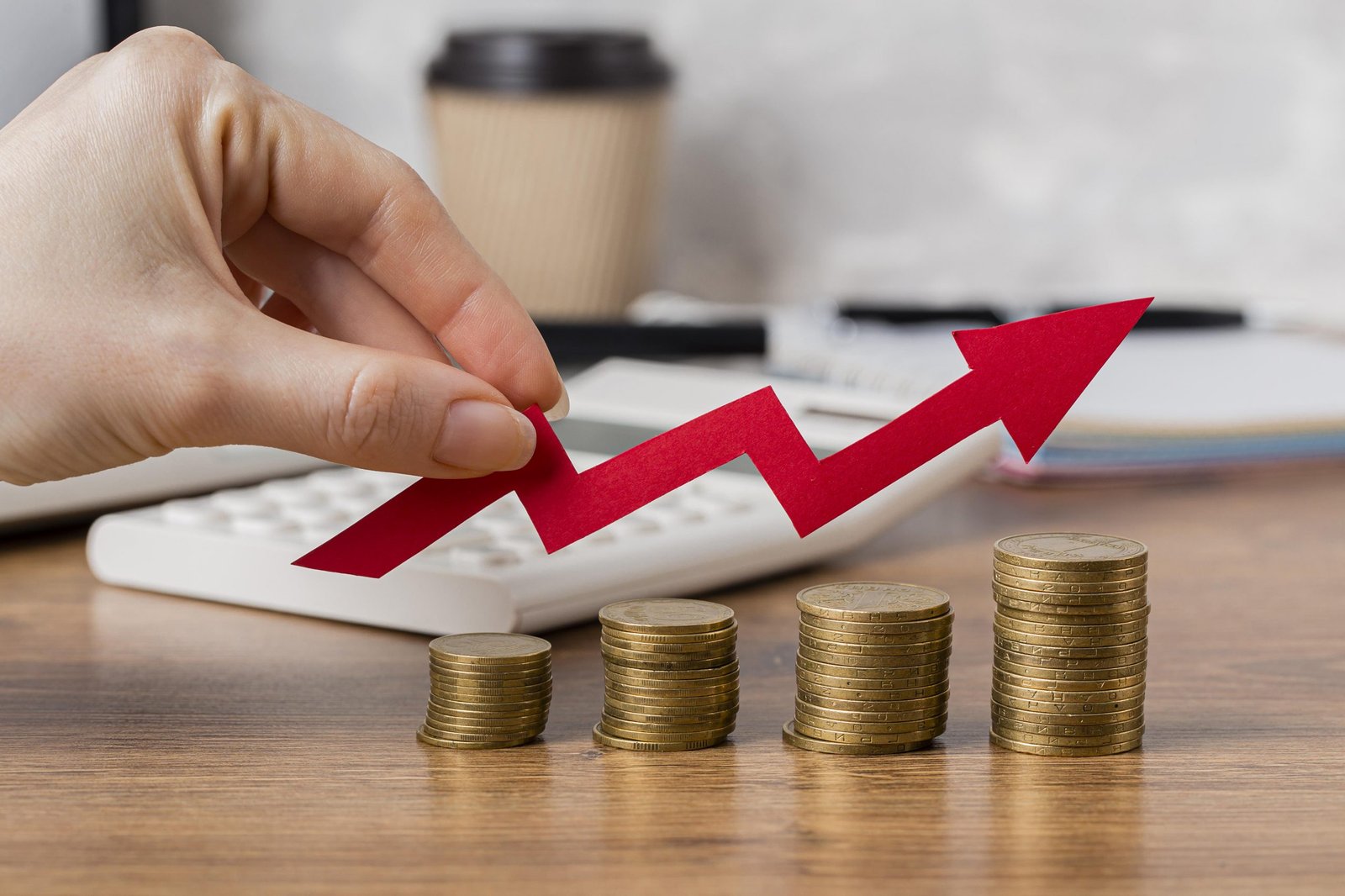
Inflation is a term that frequently makes headlines and impacts everyone’s daily lives, yet many struggle to fully grasp what it means. Simply put, inflation is the rate at which the general level of prices for goods and services rises, eroding purchasing power over time. Whether you’re shopping for groceries, saving for retirement, or running a business, inflation plays a crucial role in shaping your financial decisions.
Understanding inflation isn’t just for economists or policymakers. For individuals, it explains why money doesn’t stretch as far as it used to, and for businesses, it affects pricing strategies and long-term investments. By comprehending inflation’s causes, effects, and how to navigate it, you can make informed financial choices and better prepare for the future.
In this article, we will break down inflation into digestible concepts, exploring its types, causes, effects, and practical ways to protect your finances. Along the way, we’ll include expert insights, relatable anecdotes, and tools to help you stay ahead of inflation’s impact.

1. What Is Inflation and Why Does It Happen?
Inflation refers to the sustained increase in the general price level of goods and services over time. It is often expressed as a percentage, representing how much prices have risen over a given period. But why does inflation happen?
One major cause is demand-pull inflation, where demand outpaces supply. Imagine a popular new video game console released during the holiday season. Everyone wants one, but manufacturers can’t produce enough to meet the demand. Retailers may increase prices due to the overwhelming interest—a classic example of demand-pull inflation.
Another cause is cost-push inflation, which occurs when production costs rise. For instance, if crude oil prices surge, transportation and manufacturing costs increase, leading to higher prices for many goods. Supply chain disruptions, like those seen during the COVID-19 pandemic, also contribute to cost-push inflation.
Lastly, central banks play a role. When governments print more money to stimulate the economy, the increased money supply can reduce the currency’s value, leading to inflation. This complex interplay of factors makes understanding inflation vital for managing personal and business finances.
2. Types of Inflation: Not All Are Created Equal
Not all inflation is the same. Economists categorize it into different types, each with unique characteristics and implications.
- Creeping Inflation: This occurs when prices rise gradually, typically under 3% per year. While manageable, creeping inflation can erode savings over time. For example, a $1 loaf of bread in 2000 may cost $1.50 today due to steady inflation.
- Galloping Inflation: When inflation exceeds 10% annually, it can destabilize economies. Countries like Argentina have experienced this, where citizens rush to spend money before it loses more value.
- Hyperinflation: The most extreme form, hyperinflation, involves monthly inflation rates exceeding 50%. Historical examples include Germany in the 1920s and Zimbabwe in the 2000s, where currency became nearly worthless.
Understanding these types helps individuals and businesses strategize. For instance, during creeping inflation, long-term investments like real estate may retain value. However, during galloping or hyperinflation, diversifying into stable foreign currencies or precious metals might be more prudent.

3. How Inflation Impacts Daily Life
Inflation’s effects are felt across every aspect of life, from grocery shopping to retirement planning. One noticeable impact is reduced purchasing power. As prices rise, the same amount of money buys fewer goods and services. For example, $50 might have filled your grocery cart a decade ago, but today, it barely covers the essentials.
Inflation also affects wages. While some companies adjust salaries to match inflation, others lag, leading to reduced real income. For retirees living on fixed incomes, inflation can significantly impact their quality of life, as their purchasing power diminishes over time.
Housing costs are another area of concern. Inflation often leads to higher property values and rental rates, making it challenging for first-time buyers to enter the market. On the flip side, homeowners benefit from increased equity.
To mitigate these impacts, financial planning becomes essential. Tools like inflation-adjusted calculators can help estimate future costs, while investing in assets like stocks or inflation-protected securities (TIPS) can preserve purchasing power.
4. Strategies to Protect Your Finances Against Inflation
Navigating inflation requires proactive financial strategies. One effective approach is investing in assets that outpace inflation. Historically, stocks, real estate, and commodities like gold have proven resilient.
Diversifying income streams is another powerful tactic. For instance, side hustles or investments in dividend-paying stocks can provide additional income to offset rising costs. Consider Sarah, a graphic designer who started freelancing alongside her full-time job. Her extra income helped her maintain her standard of living as grocery and utility bills climbed.
Savings strategies also play a crucial role. High-yield savings accounts and inflation-linked bonds like TIPS can safeguard your money’s value. However, avoid keeping large amounts of cash, as inflation erodes its purchasing power over time.
Finally, regularly reviewing your budget ensures that spending aligns with priorities. Tools like budgeting apps can identify areas to cut costs, freeing up resources for inflation-resistant investments.

5. Expert Perspectives: Insights on Managing Inflation
To deepen our understanding, we spoke with financial advisor Mark Reynolds, who emphasized the importance of adaptability. “Inflation isn’t inherently bad. Controlled inflation is a sign of a growing economy. The key is adapting your finances to ensure your money grows with or ahead of inflation.”
Economist Linda Vargas highlighted the role of education. “Understanding inflation empowers people to make smarter decisions. It’s not just about cutting costs—it’s about using tools like index funds and diversified portfolios to hedge against it.”
For a personal perspective, we reached out to Jacob Miller, a small business owner who weathered recent inflationary pressures. “When prices rose, I renegotiated supplier contracts and increased efficiency. I also started offering subscription plans to stabilize cash flow. These changes not only kept my business afloat but also strengthened it.”
Their insights underline the importance of staying informed and proactive. Inflation is a challenge, but with the right tools and mindset, individuals and businesses can thrive.
6. The Role of Central Banks in Managing Inflation
Central banks play a crucial role in controlling inflation through monetary policy, ensuring that economies remain stable and sustainable. Their tools, decisions, and strategies directly influence inflation rates, affecting both consumers and businesses.
One primary tool used by central banks is interest rate manipulation. When inflation rises too quickly, central banks often increase interest rates to reduce consumer spending and borrowing. Conversely, during periods of low inflation, they may lower rates to stimulate economic activity. For instance, the U.S. Federal Reserve has adjusted interest rates numerous times to maintain a target inflation rate of around 2%.
Another key strategy is open market operations, where central banks buy or sell government securities to regulate the money supply. By reducing the money in circulation, central banks can curb inflationary pressures. Quantitative easing, a less conventional approach, involves injecting liquidity into the economy during periods of stagnation or deflation to encourage spending and investment.
Central banks also influence public expectations about inflation through forward guidance. Clear communication about future policies helps stabilize markets and manage economic behavior. For example, when central banks signal an intent to tighten monetary policy, businesses and individuals may adjust their plans accordingly.
Despite their powerful tools, central banks face challenges, such as balancing inflation control with economic growth. Over-tightening can stifle growth, while being too lenient can lead to runaway inflation. Striking the right balance is critical, making central bank decisions pivotal in shaping an economy’s future.
7. Inflation and Global Economies: A Comparative Perspective
Inflation impacts economies differently across the globe, depending on factors such as monetary policies, economic structures, and political stability. Comparing inflation trends and strategies in various countries reveals valuable lessons.
Emerging economies often face higher inflation rates due to volatile currency values, dependency on imports, and political instability. For instance, Venezuela and Zimbabwe have experienced hyperinflation, where basic goods became unaffordable, leading to severe economic crises. These cases highlight the importance of maintaining stable fiscal and monetary policies.
Developed economies like the United States and Germany tend to experience more stable inflation due to stronger institutions and diversified economies. However, they are not immune to challenges. Post-pandemic, many developed countries grappled with inflation spikes driven by supply chain disruptions and increased demand.
In contrast, countries like Japan have battled deflation, where prices decline over time, discouraging spending and investment. The Bank of Japan has implemented aggressive monetary policies, such as negative interest rates, to stimulate inflation and combat economic stagnation.
Global inflation trends also underscore the interconnectedness of economies. Events like the COVID-19 pandemic or the Russia-Ukraine conflict can create ripple effects, influencing inflation worldwide. Rising oil prices, for example, affect transportation and production costs globally, contributing to inflation in multiple countries.
These global comparisons emphasize the importance of understanding local and international inflationary factors. Policymakers and individuals alike benefit from analyzing global trends to anticipate challenges and adapt strategies effectively.
8. Technology’s Role in Mitigating Inflation’s Impact
Technology is emerging as a powerful tool for mitigating the effects of inflation, helping individuals, businesses, and governments adapt to rising costs and fluctuating economic conditions.
One way technology helps is through automation, which reduces labor costs and enhances efficiency. Businesses adopting AI-driven tools or robotic systems can produce goods and services at lower costs, offsetting inflationary pressures. For example, automated warehouses streamline logistics, ensuring faster and cheaper delivery of products to consumers.
Digital payment platforms and fintech solutions also empower consumers to manage their finances better during inflationary periods. Budgeting apps like Mint or YNAB (You Need a Budget) enable users to track expenses, identify savings opportunities, and plan for rising costs. Additionally, access to investment platforms allows individuals to diversify portfolios and protect assets from inflation erosion.
E-commerce platforms play a significant role in maintaining price competitiveness. Online retailers often operate with lower overhead costs compared to brick-and-mortar stores, allowing them to offer more affordable prices. Price comparison websites and dynamic pricing algorithms ensure that consumers can find the best deals, even during inflationary periods.
Governments and central banks are also leveraging technology to analyze inflation trends and craft responsive policies. Big data and machine learning enable more accurate economic forecasting, improving decision-making and minimizing the risks of inflation mismanagement.
As technology continues to evolve, its potential to mitigate inflation will grow. By embracing innovative tools and solutions, businesses and individuals can navigate inflation’s challenges more effectively, ensuring resilience in an ever-changing economic landscape.
Conclusion
Inflation is an inevitable part of economic life, but understanding its causes, types, and effects can help you navigate its challenges. From rising prices to shifting purchasing power, inflation impacts every financial decision we make.
By adopting strategies like investing wisely, diversifying income, and staying educated, you can safeguard your finances against inflation’s effects. Leveraging expert advice and tools can provide further guidance, ensuring you remain ahead of the curve.
In a world where prices are constantly changing, knowledge is power. With the right approach, inflation doesn’t have to erode your financial stability—it can be an opportunity to build resilience and secure your future.

Explicapramim is a blog dedicated to simplifying the world of finance in an accessible and practical way. Created by Rui Hachimura, the blog provides valuable tips on financial planning, investments, personal budgeting, and strategies to achieve financial independence. Whether you’re a beginner or someone looking to improve your financial knowledge, Explicapramim offers clear and actionable insights to help you make smarter money decisions.