
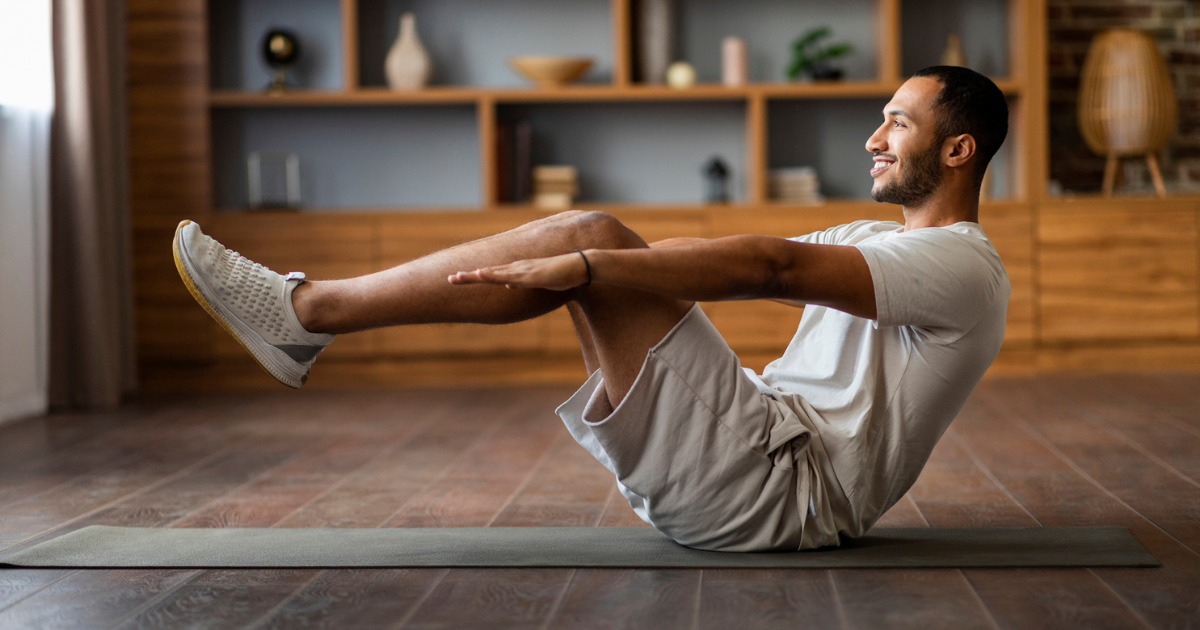
Maintaining fitness without access to a gym has become more accessible and convenient than ever. Whether due to time constraints, financial considerations, or a preference for the comfort of home, home workouts provide a flexible way to stay active.
The rise of digital resources, minimal equipment options, and creative exercise routines make it possible to achieve fitness goals without leaving your house.
Advantages of Home Workouts
One of the significant benefits of working out at home is the ability to customize routines to suit your specific needs and preferences. From bodyweight exercises to using everyday household items as equipment, the possibilities are endless. Additionally, you save on gym memberships and commute time, making it an efficient option for busy individuals.
This guide explores effective home workout ideas, offering detailed guidance on exercises, setups, and resources. We’ll also share personal experiences, expert insights, and tools to help you stay motivated and consistent in your fitness journey.
The Essentials of Setting Up a Home Gym
1. Choose the Right Space
Selecting a dedicated workout area is crucial for consistency. Whether it’s a corner in your living room, a section of your garage, or a spare room, having a specific spot for exercise helps create a routine. Ensure the area is:
Well-ventilated and adequately lit.
Free from clutter to allow for safe movement.
Equipped with enough space for exercises like lunges, yoga stretches, or jumping jacks.
2. Invest in Minimal Equipment
You don’t need a full gym setup to get started. A few versatile tools can cover a wide range of exercises:
Yoga Mat: Provides comfort and stability for floor exercises.
Resistance Bands: Lightweight and ideal for strength training.
Dumbbells: A set of adjustable dumbbells allows for a variety of weight options.
Jump Rope: Perfect for cardio workouts.
For those on a budget, household items like water bottles, backpacks filled with books, or a sturdy chair can double as equipment.
3. Leverage Technology
Numerous apps and online platforms offer guided workouts tailored for home fitness. Popular options include:
Nike Training Club: Free and paid workouts for all fitness levels.
YouTube Fitness Channels: Channels like FitnessBlender and Chloe Ting provide diverse routines.
Peloton App: Offers strength, cardio, and even yoga classes.
4. Organize Your Schedule
Consistency is key to any fitness journey. Set aside specific times for workouts, just as you would for a gym session. Create a weekly plan that includes:
Cardio: 3-4 sessions to improve heart health.
Strength Training: 2-3 sessions to build muscle.
Recovery: Rest days and flexibility exercises to prevent injury.
Bodyweight Workouts: The Ultimate No-Equipment Option
Why Bodyweight Exercises Work
Bodyweight exercises are highly effective, requiring no equipment and targeting multiple muscle groups simultaneously. Movements like push-ups, squats, and planks engage core strength, improve balance, and build endurance. They’re also easily modifiable for all fitness levels.
Sample Bodyweight Routine
Start with this beginner-friendly circuit:
Push-ups: 15 repetitions
Squats: 20 repetitions
Plank: 30 seconds
Lunges: 20 repetitions (10 per leg)
Rest for one minute and repeat three times. This full-body workout can be completed in under 30 minutes and adjusted as you progress.
Progression Over Time
To continue challenging yourself:
Incorporate variations such as one-arm push-ups, jump squats, or side planks.
Gradually increase the number of repetitions or duration.
Track your progress using a fitness journal or app.
A Personal Success Story
Sarah, a working mom, shares: “I started with bodyweight exercises in my living room during the pandemic. Within a year, I lost 15 pounds and built core strength without stepping into a gym. It’s all about consistency and gradually increasing the intensity.”
Creative Cardio Workouts at Home
1. High-Intensity Interval Training (HIIT)
HIIT is an excellent way to boost your heart rate in short bursts. A typical session includes exercises like:
Jumping Jacks: 30 seconds
Burpees: 30 seconds
Mountain Climbers: 30 seconds
Rest for 15 seconds between exercises and repeat for 20 minutes. This calorie-burning workout is both time-efficient and effective.
2. Dance Fitness
Turn on your favorite playlist and dance it out! Platforms like Zumba or YouTube dance tutorials make cardio fun and accessible. This method improves endurance while lifting your mood.
3. Household Cardio Hacks
Use stairs for step-ups or quick sprints.
Jog in place during commercial breaks while watching TV.
Perform jumping jacks or high knees as a quick energy boost.
Tools to Track Progress
Using fitness apps or wearables to monitor steps, calories burned, and heart rate adds an element of gamification, making workouts more engaging.
Strength Training at Home: Building Muscle Without a Gym
Resistance Bands for Strength
Resistance bands are lightweight, affordable, and versatile. Use them for:
Bicep Curls
Leg Presses
Lateral Raises
These exercises target specific muscles and can be adjusted by changing band tension.
DIY Equipment Alternatives
Can’t afford dumbbells? No problem! Try these alternatives:
- Water Bottles: Perfect for light resistance.
- Backpacks Filled with Books: Mimic heavier weights.
- Canned Goods: Great for arm exercises.
Structured Strength Routine
A beginner’s strength workout might include:
Squats with Weighted Backpack: 3 sets of 10
Resistance Band Bicep Curls: 3 sets of 12
Chair Tricep Dips: 3 sets of 15
Adjust reps and sets as your strength improves.
Advanced Strength Options
For those seeking a greater challenge:
Elevated Push-ups: Place your feet on a chair or step.
Pistol Squats: Perform single-leg squats for enhanced balance and strength.
Resistance Band Deadlifts: Simulate gym-quality strength exercises.
Expert Insight
Fitness trainer Mark Lee suggests: “Strength training at home is not about heavy weights but about controlled movements and consistency. Proper form is more critical than the amount of weight you lift.”
Recovery and Flexibility: The Often Overlooked Essentials
Importance of Recovery
Recovery is vital for muscle repair and overall fitness. Include:
Rest Days: Allow muscles to recover and grow.
Low-Intensity Activities: Walking, stretching, or yoga.
Stretching Routines
Post-workout stretches reduce soreness and improve flexibility. Try:
Dynamic Stretches: Arm circles, leg swings.
Static Stretches: Hamstring holds, quad stretches.
Foam Rolling Benefits
Invest in a foam roller to massage tight muscles and improve circulation. Focus on areas like the calves, back, and thighs for maximum relief.
Guided Relaxation Techniques
Apps like Calm or Headspace offer guided meditations, perfect for winding down after a workout and enhancing mental clarity.
Additional Resources for Motivation
Join Online Communities: Share progress and challenges with like-minded individuals.
Set SMART Goals: Specific, Measurable, Achievable, Relevant, and Time-bound goals keep you on track.
Reward Yourself: Celebrate milestones with non-food rewards like new workout gear.
Advanced Tips for Long-Term Success
Mix Up Your Routine
Avoid plateaus by incorporating variety. Alternate between cardio, strength training, and flexibility exercises weekly. Adding new moves keeps workouts fresh and prevents boredom.
Track Nutrition
Fitness isn’t just about exercise. Maintain a balanced diet rich in whole foods, lean proteins, healthy fats, and complex carbohydrates. Apps like MyFitnessPal can help track your caloric intake and macronutrient balance.
Involve the Family
Make fitness a family affair. Kids can join in on bodyweight exercises or dance sessions. Partner workouts with a spouse or roommate add accountability and fun.
Upgrade Your Home Gym
As you progress, consider investing in additional equipment like kettlebells, a pull-up bar, or a bench. These tools expand your exercise options and keep workouts challenging.
Conclusion
Working out at home offers unparalleled flexibility and accessibility, empowering individuals to maintain their fitness goals without relying on gym memberships. By leveraging bodyweight exercises, creative cardio routines, minimal equipment, and recovery techniques, staying active becomes manageable and enjoyable.
The key to success lies in consistency and adaptability. As personal stories and expert insights highlight, a well-structured home workout routine can transform not only your physical health but also your confidence and well-being. Start today, and make your home a haven for fitness and self-care.

Explicapramim is a blog dedicated to simplifying the world of finance in an accessible and practical way. Created by Rui Hachimura, the blog provides valuable tips on financial planning, investments, personal budgeting, and strategies to achieve financial independence. Whether you’re a beginner or someone looking to improve your financial knowledge, Explicapramim offers clear and actionable insights to help you make smarter money decisions.