
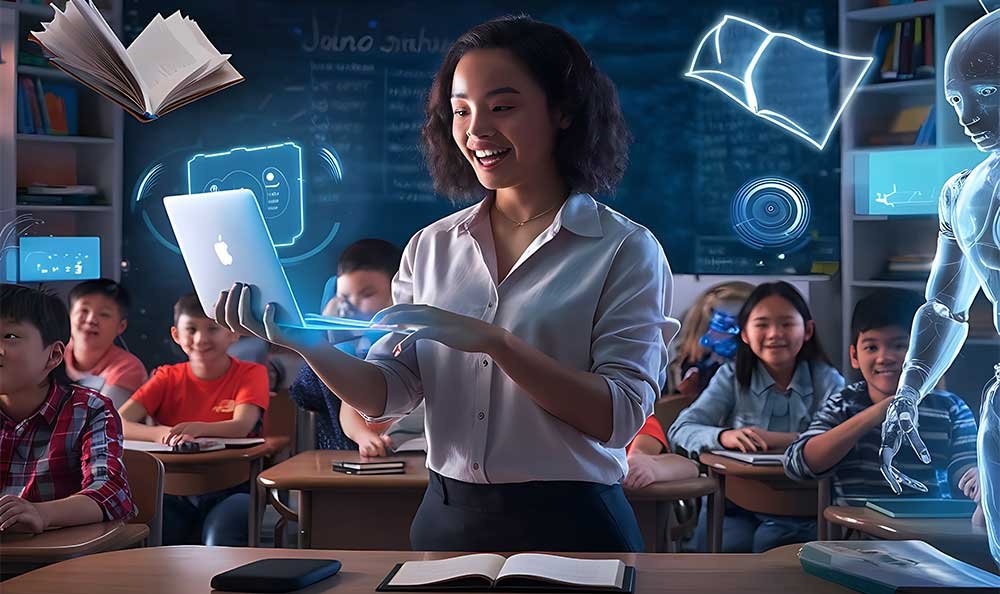
Education is evolving rapidly, driven by technological innovation, globalization, and changing societal needs. As we look to the future, it’s clear that the way we teach and learn will continue to transform, making education more personalized, accessible, and impactful.
In this article, we will explore key trends shaping the educational landscape and what they mean for students, educators, and society at large.
The Rise of Personalized Learning
Gone are the days of a one-size-fits-all education system. Personalized learning is becoming the cornerstone of modern education, enabling students to progress at their own pace and focus on their unique strengths and weaknesses. This approach recognizes that every learner is different and tailors educational experiences to meet individual needs.
This transformative trend is powered by advanced technologies like artificial intelligence (AI) and data analytics, which can assess student performance in real time and provide tailored feedback. For instance, adaptive learning platforms like Khan Academy, Duolingo, and Smart Sparrow use algorithms to analyze how students learn and adjust lessons accordingly. These platforms identify areas where learners struggle and offer targeted exercises to improve their understanding.
Similarly, AI tutors like ChatGPT and other conversational agents assist students by answering questions, explaining complex concepts, and recommending additional resources. These tools bridge the gap between traditional teaching methods and the demands of modern learners, providing support anytime, anywhere.
The benefits of personalized learning are significant. By allowing students to learn at their own pace, this approach helps reduce stress and fosters a deeper understanding of the material. Knowledge retention improves as students engage with content in ways that resonate with them. Educators also benefit from real-time insights into student progress, enabling them to adapt their teaching strategies and address diverse learning needs effectively.
Looking ahead, classrooms of the future will become more student-centered. Technologies like AI, machine learning, and data visualization will empower educators to design customized learning journeys, unlocking each student’s potential. This paradigm shift promises not only academic success but also the development of lifelong learners who can thrive in a rapidly changing world.
Immersive Technologies Transforming Classrooms
Virtual reality (VR) and augmented reality (AR) are no longer just tools for gaming; they are revolutionizing how students experience education. These immersive technologies create interactive, hands-on learning opportunities that were previously unimaginable, transforming the way knowledge is delivered and consumed.
Imagine a history class where students “walk” through ancient Rome, exploring its architecture and culture as if they were there. In a biology lesson, students might “travel” inside the human body to study cellular processes or observe how organs function in real time. Companies like Google Expeditions, Oculus, and Merge VR are already making these scenarios a reality, blending entertainment with education to spark curiosity and deepen understanding.
The advantages of immersive technologies extend beyond engagement. They make abstract concepts tangible, helping students grasp complex ideas with ease. For example, physics students can simulate experiments in a virtual lab, testing hypotheses without the constraints of physical resources or safety concerns. Similarly, medical students can practice surgical procedures in a risk-free virtual environment, gaining valuable experience before entering the operating room.
Moreover, immersive technologies foster inclusivity by accommodating diverse learning styles. Visual learners, for instance, benefit from AR’s ability to overlay digital information onto physical objects, while kinesthetic learners thrive in interactive VR environments. These tools also enable remote collaboration, allowing students from different locations to interact and learn together in virtual spaces.
As VR and AR become more affordable and accessible, their adoption in schools and universities worldwide is expected to grow. The future of education will see these technologies integrated into everyday learning, enhancing not only academic outcomes but also creativity, critical thinking, and problem-solving skills.
Focus on Lifelong Learning and Skill Development
The rapid pace of technological advancements and industry changes means that education no longer ends with graduation. Lifelong learning is now essential for individuals to stay competitive in the job market and adapt to new challenges. This shift reflects a broader understanding that education is a continuous journey rather than a finite phase of life.
Online learning platforms like Coursera, LinkedIn Learning, and edX have democratized access to education, offering courses in a wide range of subjects, from coding and data science to creative writing and personal development. These platforms provide flexibility, allowing learners to study at their own pace and balance their education with other responsibilities. Many also offer certifications and micro-credentials, which are increasingly recognized by employers as proof of specialized skills.
In addition to technical skills, the emphasis on soft skills is growing. Critical thinking, adaptability, collaboration, and emotional intelligence are now considered essential for success in the 21st-century workplace. Schools and universities are embedding these skills into their curricula through project-based learning, team activities, and experiential learning opportunities.
Corporate training programs are also evolving to meet the demands of lifelong learning. Companies are investing in upskilling and reskilling initiatives, recognizing that their workforce needs to adapt to emerging technologies and shifting market dynamics. This trend not only benefits employees but also enhances organizational resilience and innovation.
Ultimately, lifelong learning fosters a culture of curiosity and self-improvement. By embracing continuous education, individuals can navigate the complexities of a rapidly changing world, seize new opportunities, and contribute meaningfully to society.
Globalization and Access to Education
Education is no longer confined by geographical boundaries. Thanks to globalization and digital technology, knowledge is accessible to anyone with an internet connection. Massive Open Online Courses (MOOCs), remote learning platforms, and hybrid classrooms are bridging gaps in education, particularly in underserved communities.
Initiatives like edX and Coursera partner with prestigious universities to offer free or low-cost courses worldwide. These platforms provide learners with access to world-class educators and resources, leveling the playing field for those who may not have the means to attend traditional institutions. Similarly, nonprofit organizations like Khan Academy and Pratham are leveraging technology to deliver quality education to students in rural and remote areas.
However, challenges persist. Consistent internet access remains a significant barrier in many parts of the world, limiting the reach of digital education. Language barriers also pose challenges, as most online courses are offered in a limited number of languages. To address these issues, governments and organizations must invest in digital infrastructure, localized content, and initiatives that promote digital literacy.
Globalization has also sparked cultural exchange and collaboration in education. Students from different countries can connect through virtual classrooms, fostering mutual understanding and preparing them to work in diverse environments. This interconnectedness enriches learning experiences and cultivates a global perspective, equipping students to address complex global challenges.
As access to education expands, the potential for social and economic transformation is immense. By empowering individuals with knowledge and skills, education can drive innovation, reduce inequality, and promote sustainable development on a global scale.
Education for Sustainability and Social Responsibility
As global challenges like climate change and social inequality take center stage, education is playing a pivotal role in fostering awareness and responsibility. Schools are increasingly incorporating topics like environmental sustainability, ethics, and social justice into their curricula, preparing students to tackle pressing issues and contribute to a better future.
Programs such as UNESCO’s Education for Sustainable Development (ESD) aim to equip students with the knowledge, skills, and values needed to build a sustainable world. These programs encourage critical thinking and problem-solving, enabling students to understand the interconnectedness of social, economic, and environmental systems.
For instance, students might participate in hands-on projects that promote recycling, energy conservation, or community development. These activities not only enhance learning but also cultivate a sense of purpose and empathy. By engaging with real-world issues, students develop the confidence and motivation to make a positive impact.
Educational institutions are also adopting sustainable practices within their operations, such as reducing waste, conserving energy, and promoting green initiatives on campus. These efforts set an example for students and reinforce the importance of sustainability as a core value.
By integrating sustainability and social responsibility into education, we nurture a generation that is not only academically capable but also socially conscious and proactive. This approach ensures that education remains relevant and impactful in addressing the challenges of the 21st century.
Conclusion
The future of education is brimming with opportunities. From personalized learning powered by AI to the transformative potential of immersive technologies, these trends promise to make education more inclusive, engaging, and effective. As lifelong learning becomes a necessity and global access expands, education is evolving to meet the demands of a rapidly changing world.
However, with great innovation comes great responsibility. Educators, policymakers, and institutions must work together to ensure these advancements are implemented ethically and equitably. By embracing these changes, we can create a brighter future where education empowers individuals to reach their full potential and contribute meaningfully to society.
What do you think about these trends? How do you see education evolving in the next decade? Share your thoughts in the comments below!

Explicapramim is a blog dedicated to simplifying the world of finance in an accessible and practical way. Created by Rui Hachimura, the blog provides valuable tips on financial planning, investments, personal budgeting, and strategies to achieve financial independence. Whether you’re a beginner or someone looking to improve your financial knowledge, Explicapramim offers clear and actionable insights to help you make smarter money decisions.