

Starting a journey toward healthy eating can feel overwhelming, especially with the amount of conflicting nutrition information available. However, adopting simple, beginner-friendly habits can make a positive impact on your health and well-being without requiring drastic lifestyle changes.
Healthy eating is not about strict diets or depriving yourself of foods you love; it’s about creating sustainable, balanced choices that provide your body with essential nutrients for energy and vitality. Learning the basics of nutrition helps you understand what your body needs and how to make healthier food choices.
From understanding portion control to choosing whole foods over processed options, each small change adds up over time, contributing to long-term health improvements. For beginners, focusing on a few foundational steps can pave the way for better eating habits without feeling restrictive or complicated.
In this guide, we’ll walk you through fundamental tips for a healthy diet that anyone can start with today. You’ll find actionable advice, expert insights, and personal stories to help you make informed choices that work for your lifestyle. By the end, you’ll have a clearer understanding of how to enjoy a balanced diet that supports both your immediate and long-term health goals.

1. Prioritize Whole Foods Over Processed Options
Choosing whole foods over processed options is one of the most effective ways to improve your nutrition. Whole foods are minimally processed and retain more of their natural nutrients, while processed foods often contain additives, preservatives, and high levels of sugar, salt, or unhealthy fats.
For beginners, swapping out highly processed snacks for fresh fruits, vegetables, nuts, and seeds is an easy way to start eating healthier.
One useful way to approach this is by gradually incorporating more whole foods into your meals. For example, replace white rice with brown rice or opt for whole-wheat bread instead of white bread.
These small swaps not only increase your fiber intake but also provide more vitamins and minerals. This approach allows you to enjoy familiar meals with a more nutritious twist, making the transition smoother.
To understand the difference, consider this comparison: a typical packaged granola bar may contain added sugars and oils, whereas a handful of nuts and a piece of fruit provide natural energy, fiber, and healthy fats.
By prioritizing foods in their natural state, you’re reducing unnecessary ingredients and focusing on the nutrients your body truly needs.
As dietitian Emily Smith suggests, “Switching to whole foods doesn’t have to mean giving up convenience. Preparing quick, nutritious snacks like pre-cut veggies or mixed nuts can be just as easy as grabbing a processed snack.” This simple approach can make a big impact on your energy and health.
2. Practice Portion Control and Mindful Eating
Portion control is essential for beginners in healthy eating, as it helps manage calorie intake without the need for strict dieting. Eating the right portions can prevent overeating and allows you to enjoy a variety of foods in moderation.
A common tip for portion control is to use a smaller plate or to divide your plate into sections for proteins, vegetables, and grains, which helps with balanced portions.
Mindful eating is another powerful tool that encourages you to slow down, savor your food, and listen to your body’s hunger cues. By taking the time to enjoy each bite, you become more aware of when you’re full, which prevents overeating.
Many people find that this technique helps them better appreciate the flavors and textures of their food, leading to greater satisfaction.
One personal story that illustrates this comes from Maria, a busy professional who used to eat quickly while working. By practicing portion control and mindful eating, she found she felt more satisfied with her meals and no longer felt the need to snack as often. Her energy improved, and she gained better control over her eating habits.
Tools like calorie counters or food portion apps can also help track servings and caloric intake if you’re trying to lose weight or maintain a specific goal. By becoming more conscious of portions, you can enjoy your meals without the guilt or discomfort that often comes from overeating.
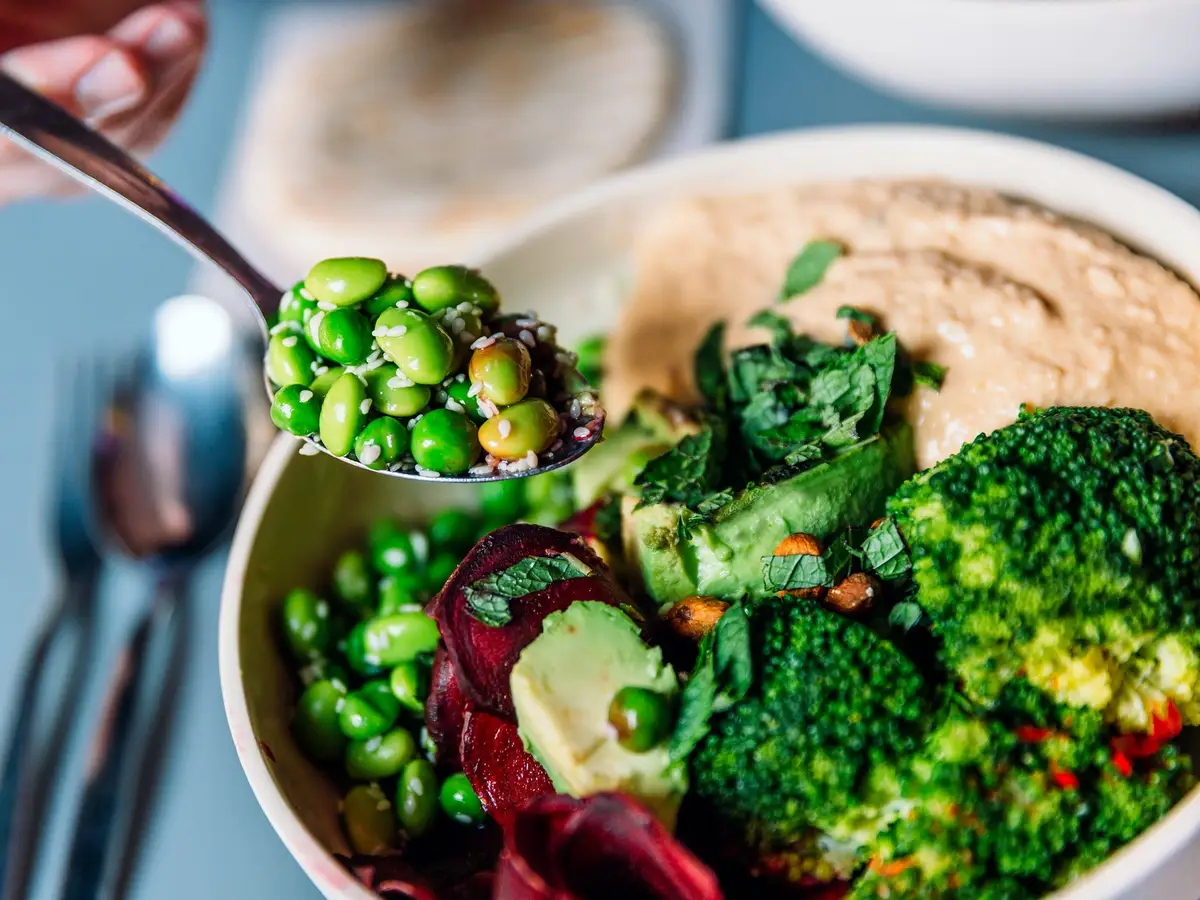
3. Incorporate a Variety of Fruits and Vegetables
Eating a variety of fruits and vegetables provides essential vitamins, minerals, and antioxidants that support your immune system, reduce inflammation, and protect against chronic diseases.
Aim for a colorful plate with diverse fruits and vegetables, as each color represents different nutrients. For beginners, start by adding one or two servings of vegetables to each meal or snacking on fruits throughout the day.
A good way to get started is to experiment with seasonal produce. Seasonal fruits and vegetables are often fresher, more flavorful, and usually more affordable.
Try incorporating leafy greens, berries, carrots, and sweet potatoes for a range of flavors and nutrients. Diversifying your produce intake helps ensure that you’re getting a balanced array of vitamins and minerals.
For example, carrots and sweet potatoes are rich in beta-carotene, which is good for eye health, while berries provide antioxidants that support brain health. Mixing different vegetables in your meals can also enhance the taste and add texture, making it more enjoyable to eat healthy.
Dietitian Laura Green emphasizes the importance of variety: “Aiming for a ‘rainbow’ on your plate can naturally provide your body with a range of nutrients. Even if you’re new to healthy eating, focusing on colorful meals can be a simple and visually appealing way to eat better.”
Managing Workplace Anxiety: Effective Tips for Mental Health
4. Stay Hydrated and Limit Sugary Drinks
Hydration is a crucial part of a balanced diet, yet it’s often overlooked. Water supports digestion, regulates body temperature, and aids in nutrient absorption.
For beginners, carrying a water bottle and sipping throughout the day can help establish a healthy hydration habit. While the “8 glasses a day” rule is popular, individual water needs vary based on factors like activity level and climate.
Sugary drinks, on the other hand, can add empty calories without providing any nutritional benefit. Replacing soda, juice, and sweetened coffee with water or herbal teas can significantly reduce sugar intake.
For those who struggle to drink plain water, try adding a splash of lemon, cucumber slices, or berries for flavor without extra sugar.
A real-life example is Steve, who was used to drinking sodas with every meal. After learning about the health impacts of sugary drinks, he switched to water and noticed an improvement in his energy levels and a reduction in cravings for sweets. Simple changes like these can make a big difference over time.
If you’re unsure of your hydration needs, consider using a hydration app or investing in a smart water bottle that tracks your intake. Staying hydrated is essential not only for physical health but also for mental clarity and energy levels.

5. Plan and Prepare Balanced Meals Ahead of Time
Meal planning is a valuable tool for healthy eating, especially for beginners. By planning meals in advance, you’re more likely to make nutritious choices and avoid the temptation of fast food or convenience snacks. Begin by creating a simple weekly meal plan that includes balanced servings of protein, vegetables, healthy fats, and whole grains.
Preparing meals in batches, known as meal prep, can save time and ensure that you always have healthy options on hand. For example, you can cook a large batch of quinoa or roasted vegetables at the start of the week and pair them with different proteins each day. This approach minimizes stress and decision fatigue, helping you stick to your healthy eating goals.
One helpful resource is to use meal planning apps like MyFitnessPal or Yummly, which offer recipe ideas, grocery lists, and nutrition tracking. These tools simplify the planning process and help you stay organized, especially if you’re new to meal planning.
Nutrition expert Dr. Alan Chen suggests, “For those who are new to healthy eating, planning meals can be a game-changer. It prevents last-minute choices that may not be the healthiest and supports long-term healthy habits.” With a bit of planning, you can create a nourishing, enjoyable diet that fits your lifestyle.
Conclusion
Healthy eating doesn’t have to be complicated or overwhelming. By focusing on whole foods, practicing portion control, staying hydrated, and planning balanced meals, beginners can establish a solid foundation for a nutritious lifestyle.
Incorporating a variety of fruits and vegetables, while limiting processed and sugary foods, supports overall health and well-being.
These simple steps, combined with expert insights and real-life examples, make it easier to transition to a balanced diet that’s both enjoyable and sustainable.
Remember, healthy eating is a journey, and every small change you make brings you closer to lasting health and vitality.

Explicapramim is a blog dedicated to simplifying the world of finance in an accessible and practical way. Created by Rui Hachimura, the blog provides valuable tips on financial planning, investments, personal budgeting, and strategies to achieve financial independence. Whether you’re a beginner or someone looking to improve your financial knowledge, Explicapramim offers clear and actionable insights to help you make smarter money decisions.