
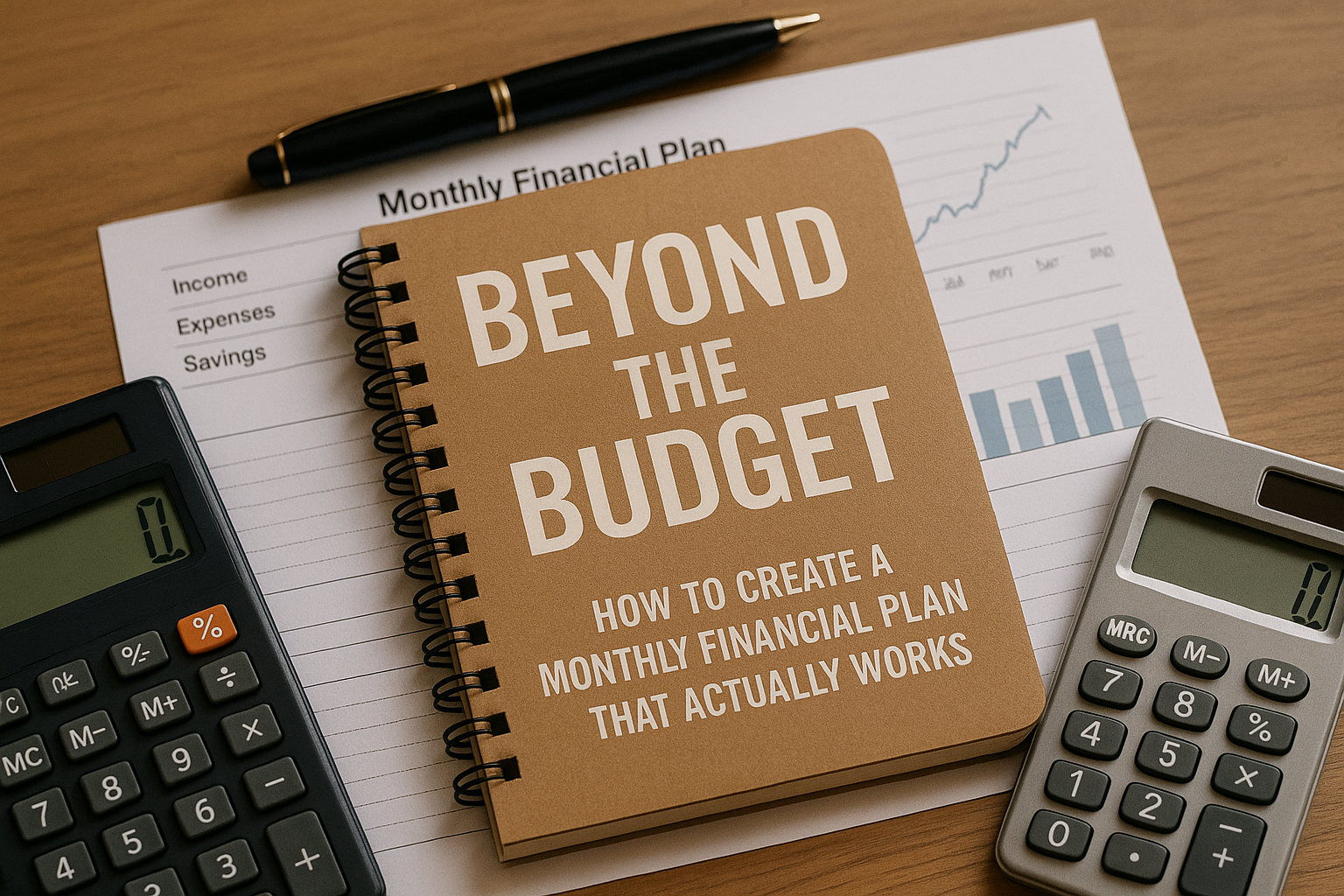
For many, the phrase “financial plan” conjures images of complex spreadsheets, restrictive budgets, and the daunting task of constantly tracking every penny. It’s no wonder that countless attempts at financial planning end in frustration, leaving individuals feeling defeated and no closer to their money goals. The truth is, a truly effective monthly financial plan isn’t about deprivation or endless calculations; it’s about creating a roadmap that aligns your spending with your values, helps you achieve your dreams, and is flexible enough to adapt to real life.
A well-crafted financial plan acts as your personal GPS for your money, guiding you past financial pitfalls and towards your desired destination – whether that’s debt freedom, a down payment on a home, a comfortable retirement, or simply a greater sense of financial peace. The key word here is “works.” This isn’t just about theory; it’s about practical, sustainable strategies that empower you to take control of your financial destiny without feeling overwhelmed.
This comprehensive guide will demystify the process, providing you with actionable steps and common pitfalls to avoid, so you can create a monthly financial plan that not only makes sense on paper but truly works in your daily life.
Why Most Financial Plans Fail (And How Yours Won’t)
Before diving into the “how,” let’s briefly address the “why not.” Financial plans often falter due to:
- Unrealistic Expectations: Trying to cut too much too fast, leading to burnout and abandonment.
- Lack of Clarity: Not knowing exactly where money is going or what goals it’s serving.
- Too Restrictive: Feeling like every joy is being taken away, making the plan unsustainable.
- Ignoring the “Human Factor”: Life happens. Unexpected expenses, impulses, and fluctuating incomes are real. A rigid plan crumbles under pressure.
- Set It and Forget It Mentality: A financial plan isn’t a one-time setup; it requires regular review and adjustment.
Your plan will work because we’ll build in flexibility, prioritize automation, and focus on sustainability.
Step-by-Step: Crafting Your Effective Monthly Financial Plan
Let’s break down the process into actionable, manageable steps.
Step 1: Understand Your Income – Every Dollar Counts
The foundation of any financial plan is knowing how much money you have coming in.
- Fixed Income: This is straightforward – your regular paycheck after taxes, deductions, and benefits.
- Variable Income: If you have freelancing gigs, commissions, tips, or seasonal work, this requires more attention.
- Low-Ball Estimate: If variable, budget based on your lowest expected income. Any extra is a bonus you can direct towards savings or debt.
- Average it Out: If your variable income fluctuates but is generally consistent over time, take an average over the last 3-6 months.
- Record All Sources: Don’t forget passive income, side hustles, or even regular gifts.
Action: List all your income sources and their net amounts (after taxes) for the month.
Step 2: List All Your Expenses – The Brutal Honesty Phase
This is where many people get uncomfortable, but it’s crucial for insight. You need to know where your money is actually going.
- Track Everything for 30 Days: Before you even try to budget, spend one month tracking every single dollar you spend. Use a budgeting app (Mint, Rocket Money, YNAB), a spreadsheet, or even just pen and paper and your bank statements. This step is about observation, not judgment.
- Categorize Your Spending: Group your expenses into clear categories (e.g., Housing, Utilities, Groceries, Dining Out, Transportation, Entertainment, Subscriptions, Debt Payments, Personal Care, Pet Care, etc.).
- Fixed Expenses: These are relatively stable and occur regularly (e.g., rent/mortgage, loan payments, insurance premiums, subscriptions).
- Variable Expenses: These fluctuate month-to-month (e.g., groceries, dining out, entertainment, gas, utilities). These are often where you find the most opportunities for saving.
Action: Compile a comprehensive list of all your recurring fixed expenses and an average of your variable expenses from your tracking month.
Step 3: Distinguish Needs vs. Wants – The Prioritization Power
This is where tough but necessary decisions are made.
- Needs: Essentials required for survival and your livelihood. (Rent/mortgage, basic groceries, utilities, necessary transportation, essential insurance).
- Wants: Everything else that improves your quality of life but isn’t strictly necessary. (Dining out, entertainment, designer clothes, premium streaming services, daily lattes, expensive hobbies).
- Grey Areas: Some expenses might feel like needs but have “want” components (e.g., a car payment is a need, but an expensive luxury car loan might have a “want” component). Be honest.
Action: Go through your expense list and label each item as a “Need” or a “Want.” This visual separation is powerful.
Step 4: Allocate Your Income – Give Every Dollar a Job
Now it’s time to direct your money intentionally. Choose a budgeting method that resonates with you.
- Zero-Based Budgeting: Every dollar of your income is assigned a “job” (spending, saving, debt repayment). Income – Expenses – Savings – Debt = 0. This method ensures no money is left unaccounted for and wandering aimlessly.
- Pros: Very clear allocation, maximizes every dollar.
- Cons: Can be more detailed and requires active management.
- 50/30/20 Rule: A simpler guideline:
- 50% of income for Needs: Housing, utilities, essential groceries.
- 30% of income for Wants: Dining out, entertainment, hobbies.
- 20% of income for Savings & Debt Repayment: Building an emergency fund, investing, paying off debt beyond minimums.
- Pros: Simple, flexible, good starting point.
- Cons: Less precise for those with very high debt or aggressive savings goals.
- The Envelope System (Cash Budgeting): For variable expenses, allocate cash into physical envelopes for specific categories (e.g., “Groceries,” “Entertainment”). Once the cash is gone, that’s it for the month.
- Pros: Excellent for controlling variable spending, highly visual.
- Cons: Less convenient in a digital world, not suitable for fixed bills.
Action: Based on your chosen method, assign a specific dollar amount to each spending category.
Step 5: Prioritize Debt Repayment & Savings Goals – Pay Yourself First
This is where a financial plan distinguishes itself from just a budget. These aren’t leftovers; they’re priorities.
- Emergency Fund First: Before aggressively paying down non-mortgage debt or investing, aim for a small emergency fund (e.g., $1,000) to cover unexpected expenses. This prevents new debt. Then, build it up to 3-6 months of living expenses.
- Debt Strategy: Incorporate your chosen debt repayment strategy (snowball or avalanche) directly into your monthly plan. Automate payments if possible.
- Savings Goals: Clearly define your savings goals (e.g., down payment, car, vacation, retirement). Allocate a specific, consistent amount towards these goals each month.
Action: Designate clear amounts for your emergency fund, debt payments (above minimums), and specific savings goals.
Step 6: Choose Your Tools – Find What Works for You
The best tool is the one you’ll actually use consistently.
- Budgeting Apps: Mint, Rocket Money, YNAB (paid but highly effective), Simplifi (paid), Personal Capital (free for investment tracking). These often sync with bank accounts and automate categorization.
- Spreadsheets: Google Sheets or Excel offer ultimate customization. You can create your own templates or find free ones online.
- Pen and Paper: Simple notebooks can work for those who prefer a tangible approach.
- Hybrid Approach: Use an app for tracking and a spreadsheet for detailed planning.
Action: Select a tool (or combination) that you find intuitive and motivating.
Step 7: Automate Everything Possible – The Set-It-and-Forget-It Power
Automation removes decision fatigue and ensures consistency.
- Direct Deposit Allocation: If your employer allows, direct deposit a portion of your paycheck directly into your savings or investment accounts.
- Automated Bill Pay: Set up recurring payments for all your fixed bills through your bank or the service provider.
- Automated Debt Payments: Set up automatic payments to your debts that are more than the minimum.
- Automated Savings Transfers: Schedule regular transfers from your checking to your savings accounts (emergency fund, specific goals) immediately after you get paid.
Action: Automate as many payments and transfers as possible to align with your plan.
Step 8: Build in a Buffer – The “Life Happens” Contingency
Even the best plans need room to breathe.
- Miscellaneous Category: Include a small “miscellaneous” or “fun money” category in your budget for unexpected small expenses or guilt-free spending.
- Buffer in Checking: Keep a small buffer (e.g., $100-$300) in your checking account above what’s strictly needed for bills, just in case.
- The Emergency Fund: This is your big buffer for larger, unforeseen events like job loss, major car repairs, or medical emergencies.
Action: Consciously allocate funds for unexpected small expenses and actively build your emergency fund.
Step 9: Review and Adjust Regularly – The Secret to Long-Term Success
This is where the “actually works” part truly comes alive. A financial plan is a living document, not a static one.
- Weekly Check-ins: Spend 15-30 minutes each week reviewing your spending, categorizing new transactions, and seeing how you’re tracking against your budget.
- Monthly Review: At the end of each month, take a deeper dive.
- Assess Performance: Did you stick to your budget? Where did you overspend/underspend?
- Analyze Habits: What spending patterns emerged? Can you identify areas for improvement next month?
- Adjust for Changes: Did your income change? Do you have new expenses (e.g., a new subscription, an upcoming holiday)? Are your goals evolving?
- Celebrate Wins: Acknowledge your successes, no matter how small!
- Quarterly/Annual Deep Dive: Take a broader look at your net worth, long-term goals, and investment performance.
Action: Schedule regular review sessions and commit to adjusting your plan as your life and financial situation evolve.
Common Pitfalls to Avoid (Revisited)
- Being Unrealistic: Don’t set impossible goals. Start small, build momentum, and gradually increase your debt payments or savings as you gain confidence.
- Ignoring Small Expenses (The “Latte Factor”): These seemingly insignificant purchases add up. Track them.
- Getting Discouraged by Setbacks: You’ll have months where you overspend. Don’t throw in the towel. Learn from it, adjust, and recommit.
- Not Tracking Consistently: Inconsistent tracking leads to an inaccurate picture of your finances.
- Failing to Adjust: A rigid plan will break. Be flexible and willing to adapt your plan to your reality.
Your Financial Freedom is Within Reach
Creating a monthly financial plan that actually works isn’t a magical solution; it’s a commitment to understanding your money, making intentional choices, and adapting as you go. By meticulously tracking your income and expenses, prioritizing your needs and goals, leveraging automation, and committing to regular review and adjustment, you transform a daunting task into an empowering journey.
This plan isn’t about telling you “no” to everything; it’s about giving you the power to say “yes” to what truly matters. Take control of your financial narrative today, build your personalized roadmap, and watch as your financial goals move from distant dreams to tangible realities. The path to financial peace and freedom begins with your very first working monthly financial plan.

Explicapramim is a blog dedicated to simplifying the world of finance in an accessible and practical way. Created by Rui Hachimura, the blog provides valuable tips on financial planning, investments, personal budgeting, and strategies to achieve financial independence. Whether you’re a beginner or someone looking to improve your financial knowledge, Explicapramim offers clear and actionable insights to help you make smarter money decisions.