
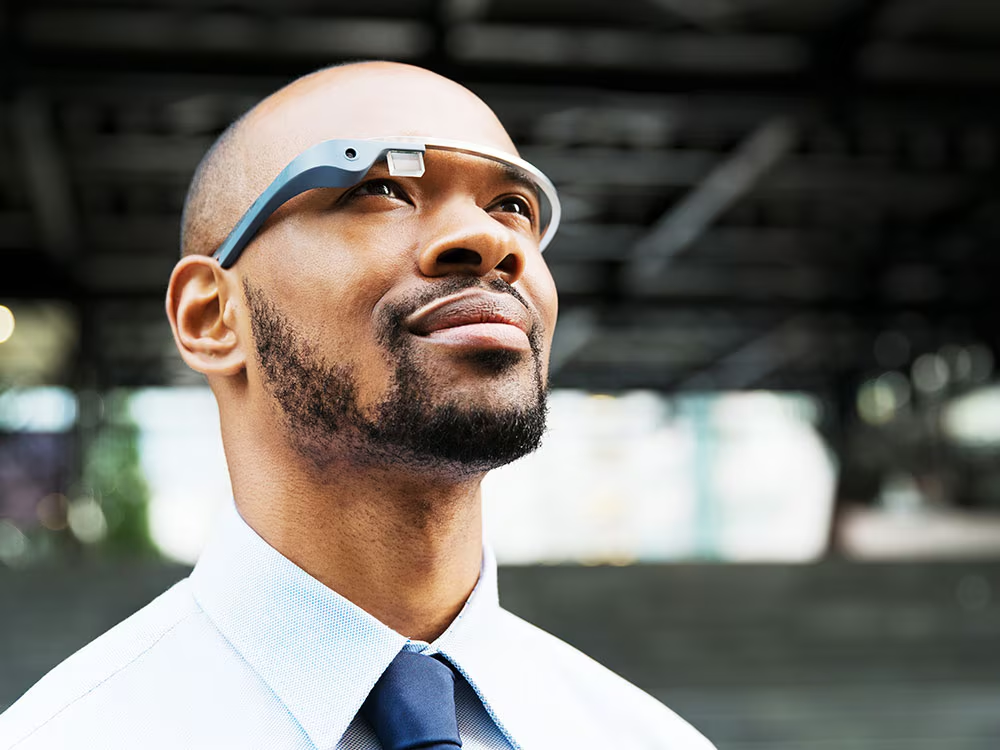
Augmented Reality (AR) and Virtual Reality (VR) are two of the most transformative technologies shaping the digital world. While both are rooted in immersive experiences, their fundamental differences make them suited for distinct applications. AR enhances the real world by overlaying digital elements, while VR replaces the real world with entirely virtual environments. Understanding these differences is key to appreciating their unique potential.
With advancements in hardware and software, AR and VR are no longer limited to gaming and entertainment. They are revolutionizing industries like healthcare, education, retail, and even real estate. As these technologies evolve, knowing when and how to use them can unlock countless opportunities for businesses and individuals alike.
In this article, we’ll explore the key distinctions between AR and VR, dive into their applications, and discuss how they’re reshaping industries. We’ll also include expert insights, real-life examples, and practical resources to deepen your understanding and inspire new possibilities.
1. What Is Augmented Reality (AR) and How Does It Work?
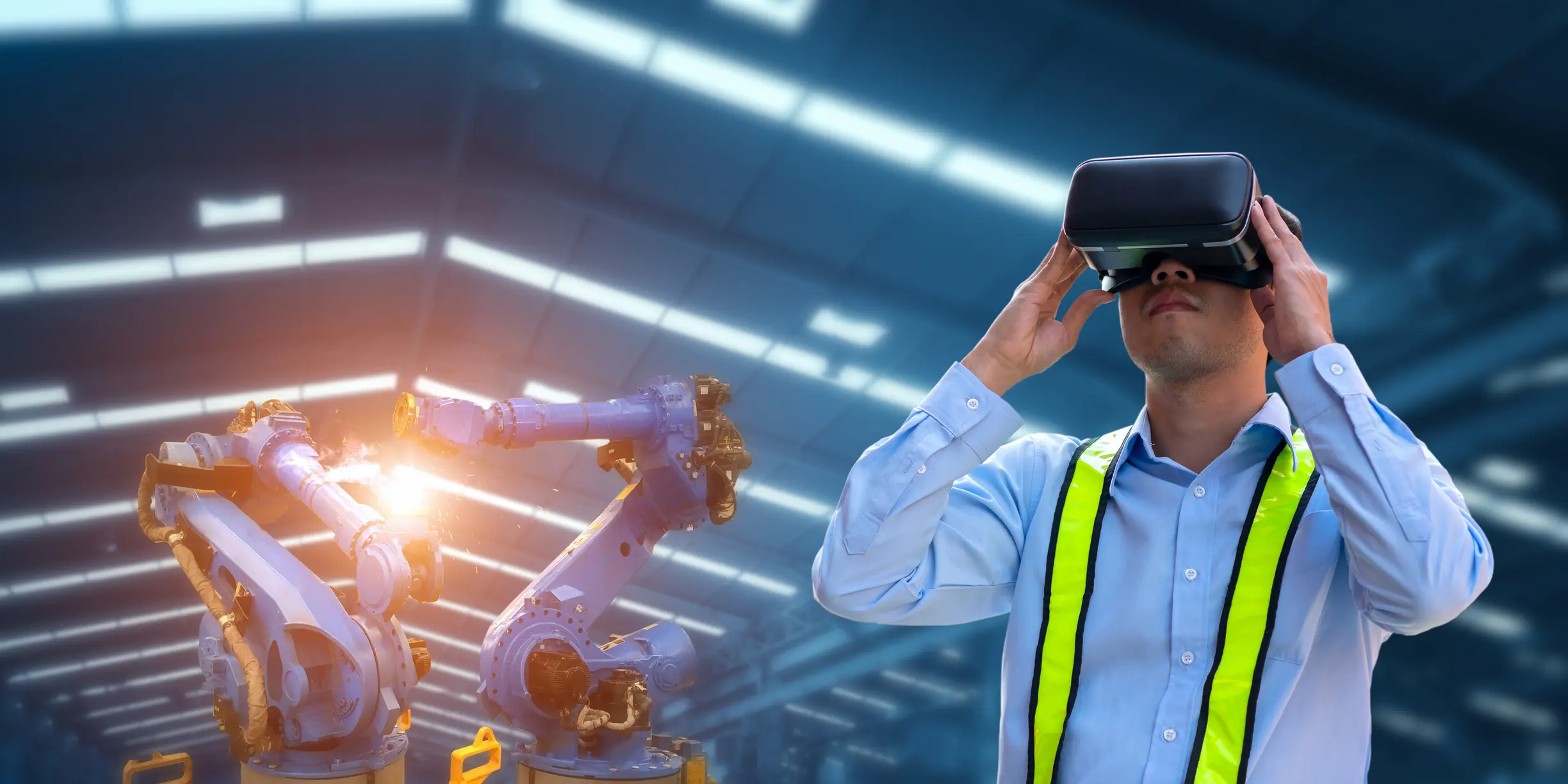
Augmented Reality (AR) enhances the real world by overlaying digital elements like images, sounds, or animations onto a live view, typically through devices such as smartphones, tablets, or AR glasses. AR bridges the gap between the physical and digital worlds, making it an invaluable tool for interactive experiences.
A common example of AR in action is Pokémon GO, the mobile game that took the world by storm in 2016. By using a phone’s camera and GPS, the game allowed users to “catch” virtual creatures in real-world locations, blending fantasy and reality seamlessly. This mix of digital content with real environments demonstrates AR’s capability to engage users in unique ways.
Beyond gaming, AR is widely used in retail. For example, IKEA’s AR app enables customers to visualize how furniture would look in their homes before purchasing. This functionality not only enhances the shopping experience but also reduces returns, benefiting both consumers and businesses.
According to tech expert Alex Warren, “AR is all about enhancement. It doesn’t take you away from the real world; it improves how you interact with it. Its applications in education, healthcare, and design are just beginning to scratch the surface.”
2. What Is Virtual Reality (VR) and Its Core Mechanics?
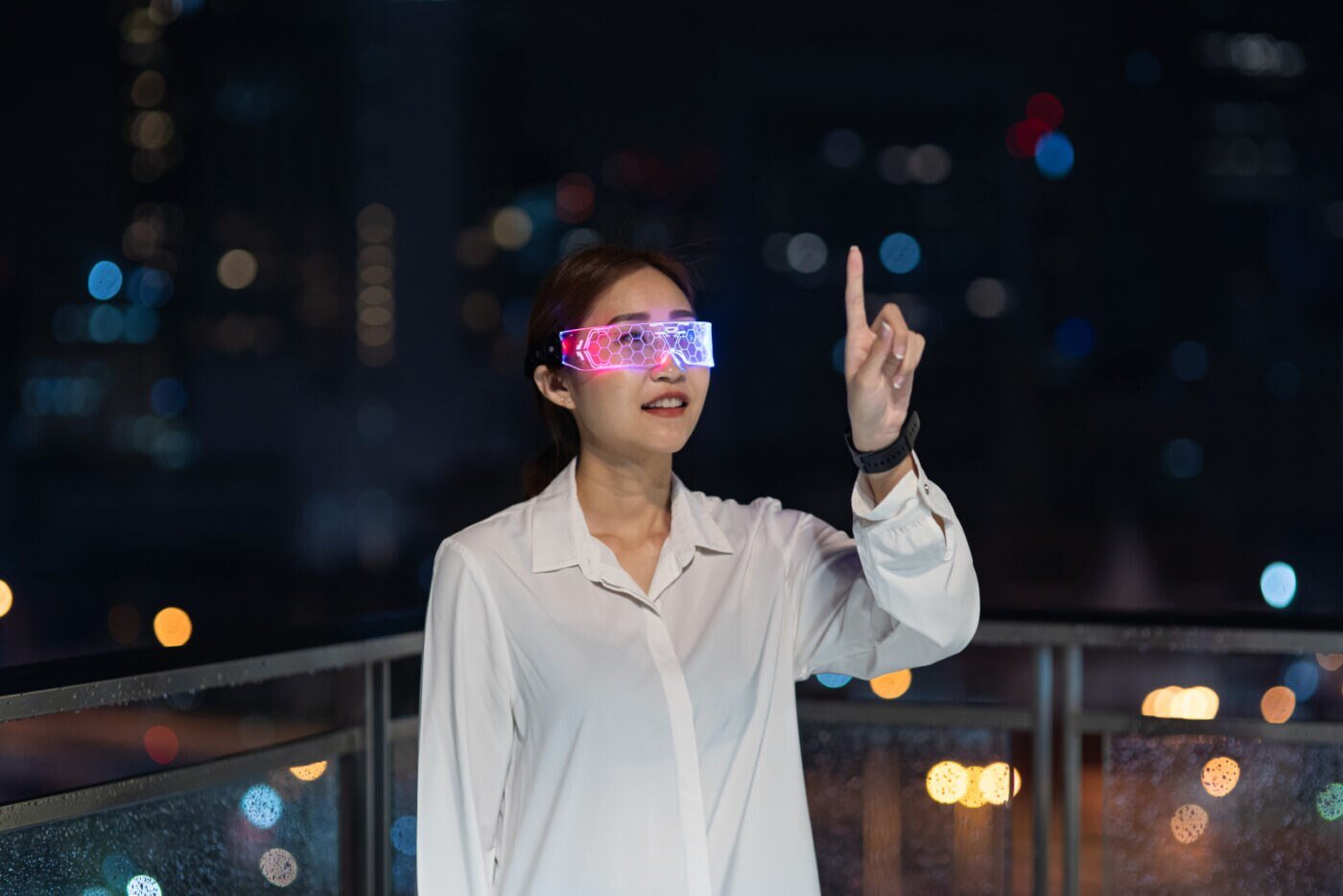
Virtual Reality (VR) immerses users in a completely digital environment, shutting out the physical world. By wearing a VR headset, users can explore 3D spaces, interact with virtual objects, and experience scenarios that feel strikingly real.
VR is most prominent in gaming, with platforms like Oculus Quest and PlayStation VR offering unparalleled experiences. Players can dive into richly detailed worlds, such as exploring alien planets or participating in high-stakes combat scenarios. Unlike AR, VR requires specialized equipment, including headsets and sometimes handheld controllers, to navigate the virtual space.
Outside of gaming, VR is revolutionizing training and education. For instance, medical students use VR simulations to practice surgeries in a risk-free environment. Similarly, pilots train in VR flight simulators, gaining hands-on experience without endangering lives or expensive equipment.
“I remember my first VR surgery simulation,” shares Dr. Emily Hayes, a surgical resident. “The accuracy of the anatomy and the interactive tools made it feel like a real operation. It’s an invaluable way to learn without the pressure of real-world consequences.”
3. Key Differences Between AR and VR
While AR and VR share some similarities, their differences are significant and determine their respective applications. Understanding these distinctions helps users and businesses choose the right tool for their needs.
- Immersion Level: AR integrates digital elements into the real world, allowing users to stay connected to their surroundings. VR, on the other hand, creates a fully immersive experience by replacing reality with a virtual environment.
- Equipment: AR typically requires simpler devices like smartphones or AR glasses, while VR demands specialized headsets and controllers for full immersion.
- Applications: AR is often used for enhancing real-world tasks, like navigation or retail. VR, however, excels in environments where total immersion is crucial, such as gaming, therapy, or virtual tourism.
To make these differences clearer, consider a practical comparison:
| Feature | Augmented Reality (AR) | Virtual Reality (VR) |
|---|---|---|
| Immersion | Enhances real-world environments | Creates fully virtual spaces |
| Equipment | Smartphones, AR glasses | VR headsets, controllers |
| Example Use Case | Retail apps, real-time translation | Gaming, surgical simulations |
This table underscores how each technology is uniquely suited to specific scenarios
4. Real-Life Applications of AR and VR Across Industries
AR and VR are transforming various industries, offering solutions that were once considered futuristic. Here are some examples:
- Healthcare: AR assists surgeons by overlaying vital data during operations, while VR provides therapeutic environments for patients dealing with anxiety or PTSD.
- Education: AR brings textbooks to life, allowing students to interact with 3D models of planets or anatomy. VR offers immersive history lessons, enabling students to “walk” through ancient cities.
- Retail: AR-powered apps let customers try on clothes or makeup virtually, reducing uncertainty before purchase. Meanwhile, VR offers immersive shopping experiences, like walking through a virtual showroom.
- Real Estate: AR allows potential buyers to see how furniture fits into a space, while VR offers virtual property tours, saving time and resources for agents and clients alike.
- Entertainment: Both AR and VR are at the forefront of gaming and film, creating experiences that push the boundaries of imagination.
These examples highlight the versatility of AR and VR, proving their potential to revolutionize how we live, work, and play.
5. Choosing Between AR and VR: Which One Is Right for You?
Deciding between AR and VR depends on your goals, budget, and intended use. While both offer immersive experiences, their unique characteristics make them suited for different purposes.
For businesses aiming to enhance customer engagement, AR is often the better choice. Its accessibility via smartphones and minimal equipment requirements make it a cost-effective solution. Retailers like Sephora have successfully used AR to provide virtual try-ons, boosting sales and customer satisfaction.
On the other hand, VR is ideal for industries requiring immersive training or storytelling. Filmmakers and game developers lean toward VR for its ability to captivate audiences fully. Similarly, companies investing in employee training benefit from VR’s realistic simulations, reducing risks and improving learning outcomes.
Budget also plays a role. While AR tools are relatively affordable, VR requires higher initial investments for hardware and software. However, advancements in technology are driving down costs, making both options more accessible.
If you’re unsure which technology suits your needs, experimenting with both through demos or pilot projects can provide clarity.
6. AR and VR in Workplace Training: Revolutionizing Employee Development
AR and VR are transforming workplace training by creating immersive, interactive, and practical learning environments. These technologies bridge the gap between theoretical knowledge and hands-on experience, making training more engaging and effective.
In hazardous industries like construction and oil and gas, VR simulations allow employees to practice procedures without exposing themselves to real-world dangers. For instance, a trainee can learn to operate heavy machinery or manage chemical spills in a controlled virtual environment. This not only ensures safety but also minimizes costs associated with physical training setups.
AR, on the other hand, excels in on-the-job guidance. Using AR glasses, technicians can receive real-time instructions overlaid on their field of view, enabling them to repair complex machinery or troubleshoot issues without relying on manuals. Companies like Boeing and Lockheed Martin have successfully used AR to enhance efficiency in manufacturing processes.
Another advantage of AR and VR in training is their ability to cater to diverse learning styles. Visual learners benefit from 3D demonstrations, while kinesthetic learners can interact with virtual objects to reinforce concepts. This personalized approach enhances knowledge retention and accelerates skill development.
By integrating AR and VR into employee training programs, companies can reduce risks, improve productivity, and foster a culture of continuous learning. As these technologies become more accessible, their role in professional development will only expand, shaping the workforce of the future.
7. The Role of AR and VR in Enhancing Accessibility and Inclusion
AR and VR have the potential to break down barriers and create more inclusive experiences for individuals with disabilities. By tailoring these technologies to meet diverse needs, developers can empower users and foster greater accessibility across industries.
For individuals with mobility challenges, VR enables exploration of virtual environments that may be difficult or impossible to access physically. For example, virtual tourism platforms allow users to “visit” famous landmarks like the Eiffel Tower or Machu Picchu from the comfort of their homes. This expands opportunities for education, recreation, and cultural enrichment.
AR offers real-time solutions for people with sensory impairments. Apps like “Seeing AI” provide visually impaired users with auditory descriptions of their surroundings, while AR-enabled glasses can translate spoken words into text for the hearing impaired. These tools enhance independence and improve quality of life.
Education is another domain where AR and VR drive inclusion. Immersive experiences can accommodate students with different learning needs, allowing them to engage with content at their own pace. For example, VR classrooms can simulate real-world scenarios, helping neurodiverse students develop social and practical skills in a safe environment.
Despite their potential, challenges remain in ensuring these technologies are truly inclusive. Developers must prioritize universal design principles and collaborate with accessibility advocates to address gaps. By doing so, AR and VR can become powerful tools for building a more inclusive digital world.
8. The Future of AR and VR: Trends and Predictions
As AR and VR technologies continue to evolve, their future is filled with exciting possibilities and challenges. Emerging trends indicate that these tools will play an even more integral role in how we work, learn, and interact with the world.
One of the most anticipated developments is the rise of AR and VR in the metaverse. This interconnected digital universe aims to merge physical and virtual realities, allowing users to socialize, work, and play in shared immersive spaces. Companies like Meta and Microsoft are investing heavily in this vision, with VR headsets and AR glasses as gateways to these digital worlds.
AI integration is another trend shaping the future of AR and VR. Machine learning algorithms can enhance personalization, making virtual experiences more dynamic and intuitive. For instance, VR training programs could adapt scenarios in real time based on user performance, while AR apps could provide tailored recommendations during shopping or travel.
Hardware advancements will also drive the adoption of these technologies. Lightweight, wireless headsets and affordable AR glasses will make immersive experiences more accessible to everyday users. Furthermore, innovations in haptic feedback and spatial audio will enhance realism, making interactions feel even more natural.
While the potential is immense, challenges such as privacy concerns, ethical considerations, and digital fatigue must be addressed. Ensuring data security in AR and VR applications will be crucial as users share personal information and immerse themselves in virtual environments.
Ultimately, the future of AR and VR lies in their ability to seamlessly integrate into our lives, creating meaningful experiences that enhance productivity, creativity, and connection. As these technologies mature, they will redefine what it means to engage with the digital world.
Conclusion
AR and VR are transformative technologies that, while often compared, serve distinct purposes. AR enhances the real world by integrating digital elements, making it ideal for tasks that benefit from real-world context. VR, by contrast, immerses users in entirely new environments, offering unparalleled experiences for training, entertainment, and beyond.
As these technologies continue to evolve, their applications will expand, further blurring the lines between reality and the digital world. Whether you’re a consumer, business owner, or developer, understanding the differences and opportunities of AR and VR is key to leveraging their full potential.
With the right tools and strategies, both AR and VR can redefine how we interact with technology, unlocking a future of boundless possibilities.

Explicapramim is a blog dedicated to simplifying the world of finance in an accessible and practical way. Created by Rui Hachimura, the blog provides valuable tips on financial planning, investments, personal budgeting, and strategies to achieve financial independence. Whether you’re a beginner or someone looking to improve your financial knowledge, Explicapramim offers clear and actionable insights to help you make smarter money decisions.