
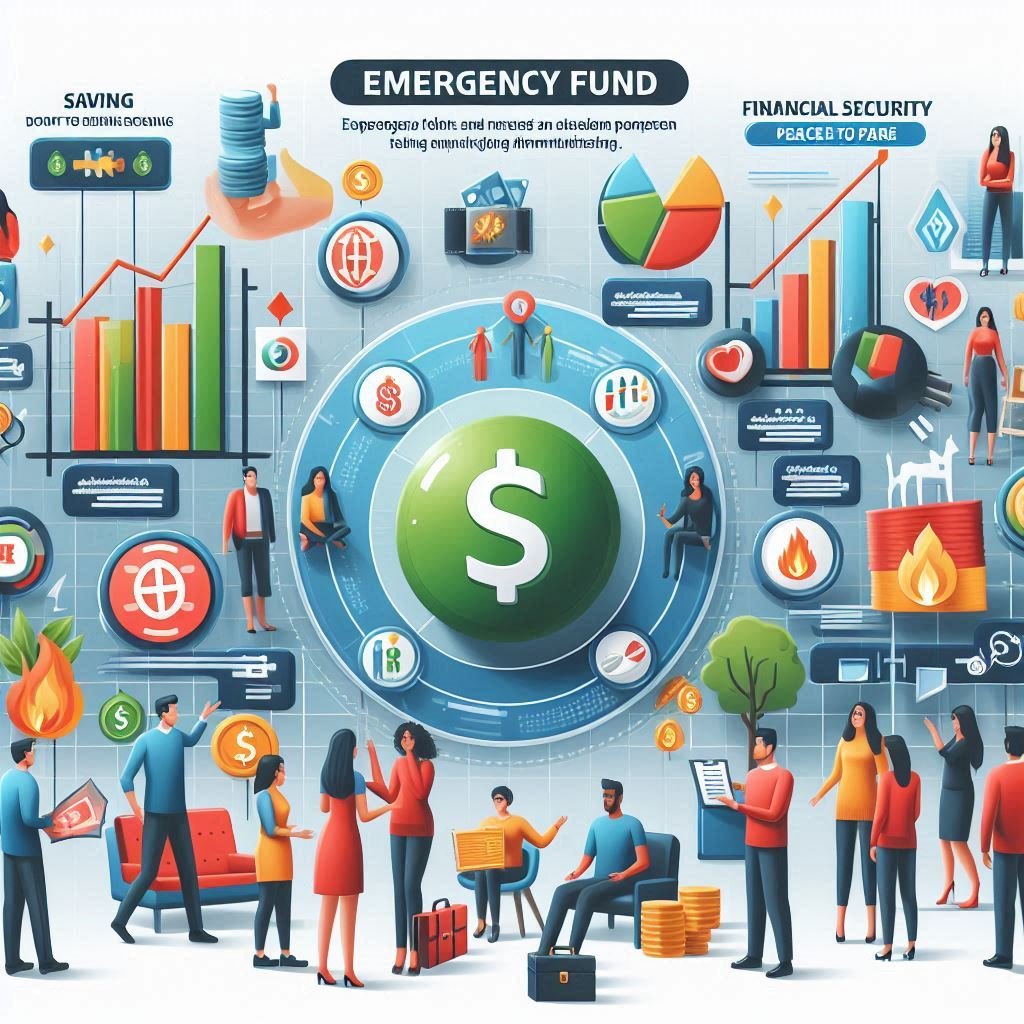
Life is unpredictable. From unexpected medical bills to sudden job loss, emergencies can happen to anyone — and when they do, they often come with a hefty financial burden. That’s where an emergency fund comes in. Whether you’re financially stable or living paycheck to paycheck, having a financial safety net is essential.
An emergency fund provides peace of mind, knowing you’re better prepared to handle life’s surprises without spiraling into debt or financial chaos. It’s not about saving a massive amount overnight, but rather about consistently setting aside what you can—even if it’s just a few dollars a week. Over time, these small contributions grow into a vital cushion that can cover unexpected costs and help you stay afloat during difficult times.
In this article, you’ll learn what an emergency fund is, why it matters, how much you need, and how to start building one, even if your income is tight.
What Is an Emergency Fund?
An emergency fund is money that you set aside to cover unexpected expenses. Unlike regular savings for goals like a vacation or a new car, this fund is specifically reserved for urgent, unplanned situations.
Common Emergencies Include:
- Medical emergencies or dental work
- Car repairs
- Home repairs (like a broken water heater or roof damage)
- Unexpected job loss or reduced income
- Emergency travel due to family illness or death
The idea is simple: instead of turning to credit cards or loans when something goes wrong, you tap into your emergency fund. This keeps you out of debt and protects your long-term financial stability.
Having a dedicated emergency fund also helps reduce stress during already difficult situations. When a crisis hits, the last thing you want is to worry about how to pay for it. Knowing you have money set aside allows you to focus on solving the problem itself, not scrambling for funds. It’s a proactive step that turns financial uncertainty into manageable challenges, giving you greater confidence and control over your life.
Why You Need an Emergency Fund
1. Avoid Debt
One of the biggest benefits of an emergency fund is that it helps you avoid high-interest debt. Without savings, people often rely on credit cards or payday loans to handle emergencies, which can spiral into long-term financial problems.
2. Reduce Stress
Knowing you have money set aside brings peace of mind. You won’t panic every time your car makes a strange noise or your boss talks about budget cuts.
3. Stay on Track with Financial Goals
Without an emergency fund, an unexpected bill can derail your entire budget and delay your financial goals — like paying off debt, saving for a house, or investing. With a fund in place, you can deal with emergencies without losing momentum.
4. Job Security Isn’t Guaranteed
Even if your job feels stable today, the economy, industry trends, or company decisions can change that quickly. Having a cushion allows you time to search for a new job without immediate financial pressure.
How Much Should You Save?
The ideal emergency fund amount varies depending on your situation, but here are general guidelines:
Starter Goal: $500 to $1,000
This is perfect if you’re just starting out or have a low income. It can cover many common emergencies like a car repair or medical bill.
Long-Term Goal: 3 to 6 Months of Expenses
Once you’ve hit your starter goal, aim to save enough to cover three to six months of your essential living expenses. This includes:
- Rent or mortgage
- Utilities
- Groceries
- Transportation
- Insurance
- Minimum debt payments
If your job is unstable, you’re self-employed, or you have dependents, consider saving closer to six months’ worth or more.
Where to Keep Your Emergency Fund
It’s important to keep your emergency fund easily accessible but not so easy that you’re tempted to dip into it for non-emergencies.
Best Options:
- High-Yield Savings Account: These offer better interest rates than regular savings accounts while still allowing quick access.
- Money Market Account: A good mix of accessibility and interest, though some may have withdrawal limits.
- Separate Savings Account: Keeping it in a different account from your daily checking makes it easier to avoid accidental spending.
Avoid investing your emergency fund in the stock market — the value can fluctuate, and you might not be able to access the money when you need it most.
How to Build an Emergency Fund (Even on a Tight Budget)
Don’t worry if you can’t save hundreds of dollars right away. The key is to start small and be consistent.
1. Set a Monthly Goal
Decide how much you can realistically save each month — even if it’s $20 or $50. Automate the transfer to your emergency fund if possible.
2. Cut Non-Essential Spending
Review your expenses and see where you can cut back. Skipping a few takeout meals or canceling a subscription can free up cash for your fund.
3. Use Windfalls Wisely
Put tax refunds, bonuses, or cash gifts into your emergency fund. These one-time boosts can speed up your savings significantly.
4. Track Your Progress
Seeing your balance grow — even slowly — will keep you motivated. Celebrate milestones, like your first $100, $500, and so on.
When to Use Your Emergency Fund
This money is for real emergencies only — things that are urgent, necessary, and unexpected.
Good Reasons:
- Medical emergency
- Job loss
- Car or home repair that affects your daily life
- Travel for a family emergency
Not So Good Reasons:
- Sales or “limited time” deals
- Vacations
- New electronics or gifts
- Regular bills you forgot to budget for
Be honest with yourself about what qualifies as an emergency. Using the fund for non-urgent expenses defeats its purpose.
Rebuild After You Use It
If you ever need to dip into your emergency fund, that’s okay — that’s what it’s there for. But make a plan to replenish it as soon as possible. Go back to saving a small amount each month until you’re back on track.
Your Emergency Fund Is Your Safety Net
An emergency fund is one of the most important financial tools you can have, regardless of your income level. It provides stability, protects you from debt, and gives you the confidence to handle life’s surprises.
You don’t need to be rich to build an emergency fund — you just need to be intentional. Start small, stay consistent, and build your safety net brick by brick. Your future self will thank you.

Explicapramim is a blog dedicated to simplifying the world of finance in an accessible and practical way. Created by Rui Hachimura, the blog provides valuable tips on financial planning, investments, personal budgeting, and strategies to achieve financial independence. Whether you’re a beginner or someone looking to improve your financial knowledge, Explicapramim offers clear and actionable insights to help you make smarter money decisions.