
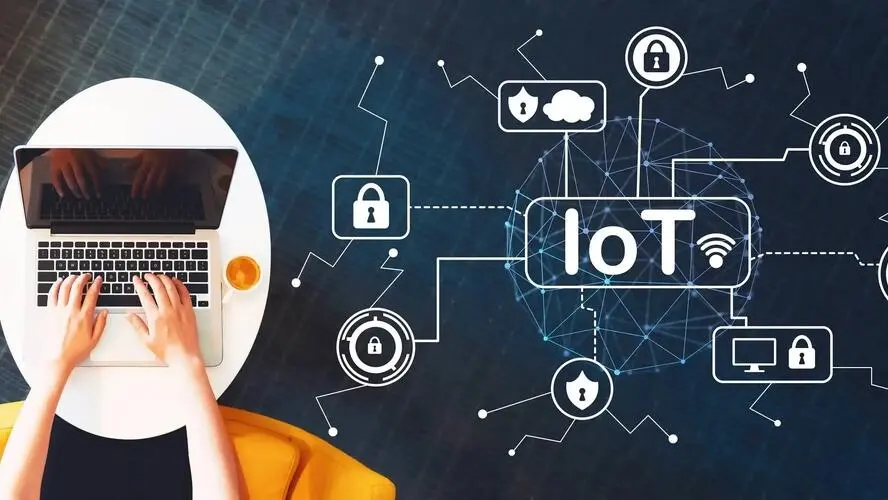
The Internet of Things (IoT) is transforming how we interact with the world, making our devices smarter and our lives more interconnected. Imagine a world where your coffee maker starts brewing as soon as your alarm goes off, or your refrigerator sends reminders to your smartphone about what groceries you need. This level of convenience and automation is possible because of IoT, which connects everyday objects to the internet, allowing them to send and receive data. Although IoT is often associated with consumer devices, its applications extend far beyond, impacting industries like healthcare, agriculture, and logistics.
In technical terms, IoT refers to the network of physical devices—such as sensors, cameras, wearables, and even vehicles—that are embedded with technology to communicate over the internet. IoT systems gather data, analyze it, and sometimes take action based on that analysis. From smart cities to connected cars, IoT enables these devices to collect data, analyze patterns, and make decisions with minimal human intervention. This technology is reshaping the future, from homes and workplaces to entire industries, improving efficiency and enhancing convenience in countless ways.
This article will provide an in-depth explanation of how IoT works, the key components that power it, and the most significant use cases across different industries. We’ll also explore personal stories and expert insights on IoT’s practical impact, with helpful resources to guide you through the technology that’s shaping our future.
How IoT Works: Connecting Devices, Data, and Decisions
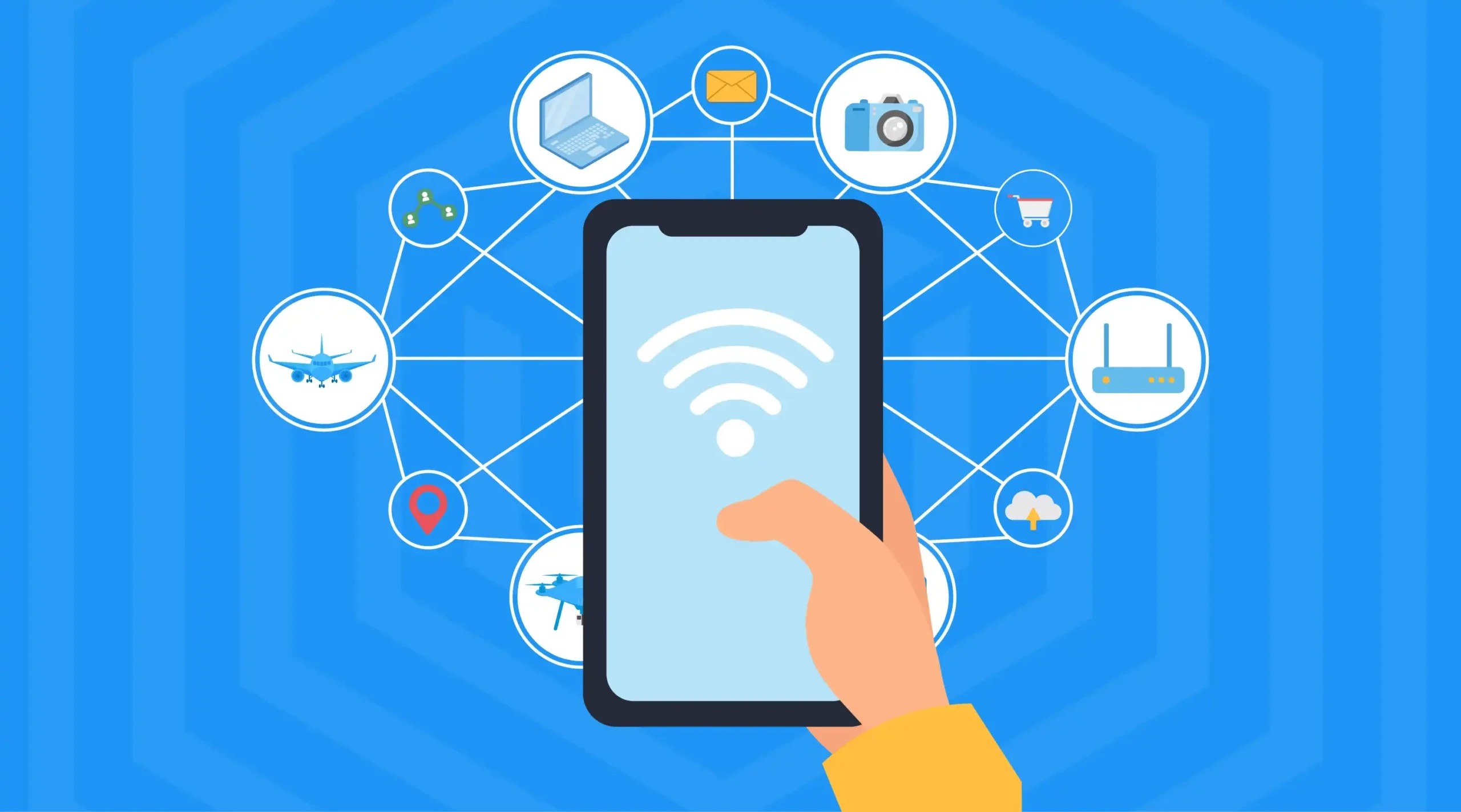
IoT works by connecting devices to a shared network, enabling them to communicate with each other and with central systems, often through the cloud. The system comprises four key components: sensors/devices, connectivity, data processing, and user interfaces. Sensors or devices collect data from their environment, such as temperature or motion, which is then sent over the internet through various connectivity options like Wi-Fi, Bluetooth, or cellular networks.
Once data reaches the cloud or another centralized system, it undergoes processing and analysis. This data processing often involves artificial intelligence (AI) algorithms, which can detect patterns, identify trends, and even make decisions without human intervention. For example, in a smart home, the IoT system may lower the thermostat if it detects no movement in a room for a certain period, saving energy and reducing costs.
To provide users with value, IoT systems also include a user interface, such as a smartphone app or dashboard, where people can monitor and control their devices. For instance, users can receive alerts on their phones if an IoT-enabled smoke detector detects an issue. This seamless combination of hardware, connectivity, and software allows IoT systems to act intelligently and independently, creating an interconnected web of devices that make decisions based on real-time data.
Key Components of IoT: Sensors, Connectivity, Data Processing, and User Interfaces
Sensors and Devices: Sensors are the fundamental starting point for IoT devices, capturing data from the environment. These sensors can detect various types of information—temperature, humidity, motion, and even biometric data like heart rate. This diversity of sensors enables IoT to be used in fields from healthcare to industrial automation. For instance, in agriculture, sensors can measure soil moisture levels and inform irrigation systems, optimizing water use and crop yields.
Connectivity: Connectivity is how IoT devices transmit data to other devices or centralized systems, often using protocols like Wi-Fi, Bluetooth, Zigbee, or cellular networks. Each connectivity option has unique advantages; for example, Bluetooth is energy-efficient and ideal for wearables, while cellular networks offer longer-range connectivity for devices in remote locations, like tracking systems in vehicles.
Data Processing and Analytics: After data is collected and transmitted, it’s processed and analyzed to identify patterns or anomalies. This is where AI and machine learning often come into play, allowing IoT systems to make smarter decisions. In healthcare, data analytics can detect irregular heartbeats and send immediate alerts to doctors. This combination of data collection and intelligent processing is what makes IoT powerful and proactive.
User Interfaces: The final component, user interfaces, enables interaction with IoT systems. These interfaces could be as simple as a smartphone app or a complex dashboard for industrial applications. In smart homes, for instance, users can control their lighting, security, and even appliances from a single app, giving them greater convenience and peace of mind.
Applications of IoT in Smart Homes and Cities
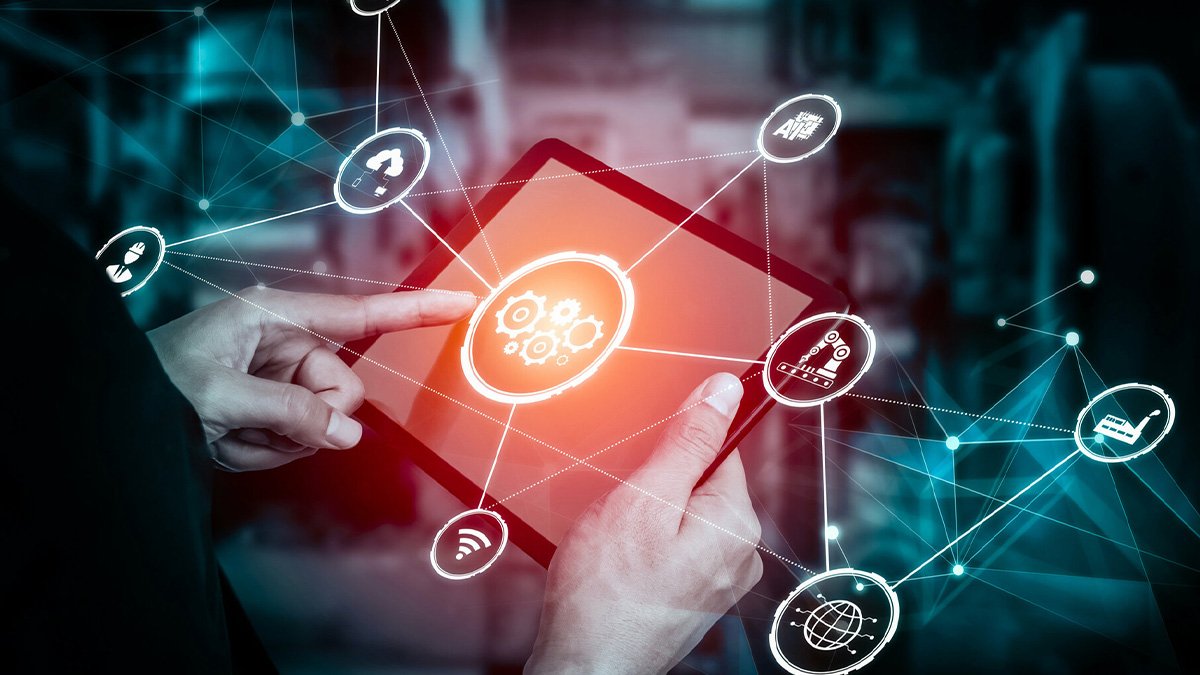
Smart Homes: IoT has revolutionized the concept of home automation, making it possible for homeowners to control lighting, security systems, thermostats, and appliances from their phones. In smart homes, IoT devices can detect when you’re home, adjusting lights and temperature accordingly. This technology improves energy efficiency, reduces utility bills, and increases home security through automated locks and surveillance.
Smart Cities: IoT also plays a crucial role in urban planning and management through smart cities initiatives. For example, smart traffic systems use IoT to monitor congestion and adjust traffic lights in real-time, reducing travel time and pollution. Cities like Barcelona and Amsterdam have adopted IoT-driven waste management systems that monitor trash levels in bins and adjust collection routes, leading to lower costs and environmental impact.
Real-Life Stories: Homeowners and city residents are already benefiting from IoT’s convenience. For example, a resident in a smart city can receive notifications about nearby parking spots or real-time updates on public transportation. In one instance, a resident’s smart thermostat adjusted automatically during a heatwave, keeping their home comfortable and saving on energy bills.
Expert Insight: According to urban planning experts, IoT will be essential in future cities, helping them become more sustainable and responsive. City planners predict that by connecting infrastructure with IoT, cities can offer better public services, improve safety, and lower energy consumption, creating a more liveable urban environment.
Internet of Things (IoT) Explained: How It Works and Where It’s Used
IoT in Healthcare: Remote Monitoring and Patient Management
Remote Patient Monitoring: IoT devices allow healthcare providers to monitor patients’ vital signs remotely, making it possible for doctors to detect health issues early. For example, a wearable IoT device can monitor a patient’s heart rate, sending alerts to medical staff if irregularities are detected. This remote monitoring is especially valuable for elderly patients and those with chronic conditions.
Smart Medication Systems: IoT also helps patients manage medication through automated reminders and smart pill dispensers. These systems track medication intake and alert both patients and caregivers if a dose is missed, improving adherence and health outcomes. IoT-enabled medication tracking is transforming patient care by reducing the risk of human error.
Case Study: A hospital in New York implemented an IoT-based remote monitoring system for post-surgery patients. By tracking heart rate and oxygen levels remotely, doctors could respond immediately if a patient’s condition deteriorated, leading to faster intervention and better recovery rates.
Insights from Healthcare Professionals: According to a study, 80% of doctors believe that IoT can significantly improve patient care, particularly for remote monitoring and emergency response. They emphasize the importance of secure, reliable IoT systems to protect patient data while enhancing healthcare outcomes.
Industrial IoT (IIoT): Optimizing Production and Safety
Predictive Maintenance: In industries like manufacturing, IoT sensors monitor machinery to predict potential failures before they occur. Predictive maintenance saves costs by reducing downtime and preventing expensive repairs, ultimately increasing productivity. For example, a manufacturing plant with IoT sensors can schedule maintenance based on real-time data, keeping production running smoothly.
Supply Chain Management: IoT optimizes logistics and supply chains by providing real-time tracking of goods. This real-time data enables better decision-making, ensuring that products are delivered on time and that inventories are efficiently managed. For instance, a logistics company can track vehicle conditions and adjust routes to avoid delays, improving delivery times.
Safety and Compliance: IoT also improves workplace safety by monitoring equipment and alerting workers about potential hazards. In oil and gas industries, for example, IoT sensors detect gas leaks, triggering immediate safety protocols to protect workers and the environment.
Industry Expert Opinion: An IoT specialist from a major manufacturing firm noted that “IIoT is not just about efficiency—it’s about creating safer, more reliable workplaces.” This shift towards smart manufacturing is transforming industries, making them more resilient and responsive to both market and operational challenges.
Challenges and Security Risks in IoT
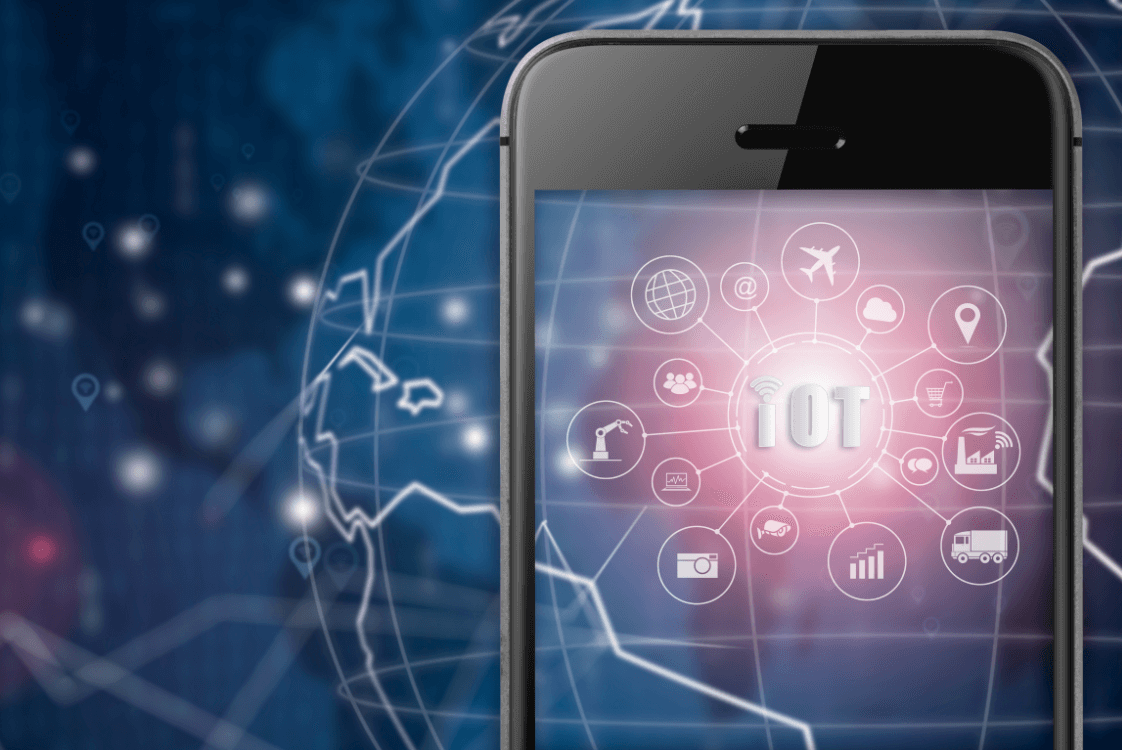
Data Privacy Concerns: IoT collects massive amounts of data, which can include sensitive information about users. Without proper security, this data can be vulnerable to hackers. For example, if a smart home’s security system is compromised, it could put a homeowner’s privacy and safety at risk.
Device Interoperability: With so many IoT devices from different manufacturers, interoperability is a challenge. Devices often use different communication protocols, making it difficult for them to connect seamlessly. For instance, connecting a smart thermostat to a lighting system can be challenging if both devices are not compatible.
Cybersecurity Risks: IoT devices are often targeted by hackers who exploit vulnerabilities in the system. A study showed that nearly half of IoT devices contain security flaws that could lead to data breaches. As more devices come online, the risk of cyberattacks increases.
Expert Insight on IoT Security: Cybersecurity experts emphasize the need for robust security protocols in IoT, recommending regular software updates and encryption standards to protect data. They argue that security should be a top priority for IoT manufacturers and users alike.
Conclusion
The Internet of Things is revolutionizing everything from our homes to industries, making our lives more efficient, connected, and automated. By enabling devices to communicate with each other, IoT is transforming ordinary objects into intelligent tools that can respond to our needs and make our lives easier.
However, as with any transformative technology, it comes with challenges—especially in terms of security and interoperability. With proper safeguards and ongoing innovation, IoT promises a future where devices not only serve us but also improve our quality of life in ways we are only beginning to imagine.

Explicapramim is a blog dedicated to simplifying the world of finance in an accessible and practical way. Created by Rui Hachimura, the blog provides valuable tips on financial planning, investments, personal budgeting, and strategies to achieve financial independence. Whether you’re a beginner or someone looking to improve your financial knowledge, Explicapramim offers clear and actionable insights to help you make smarter money decisions.