
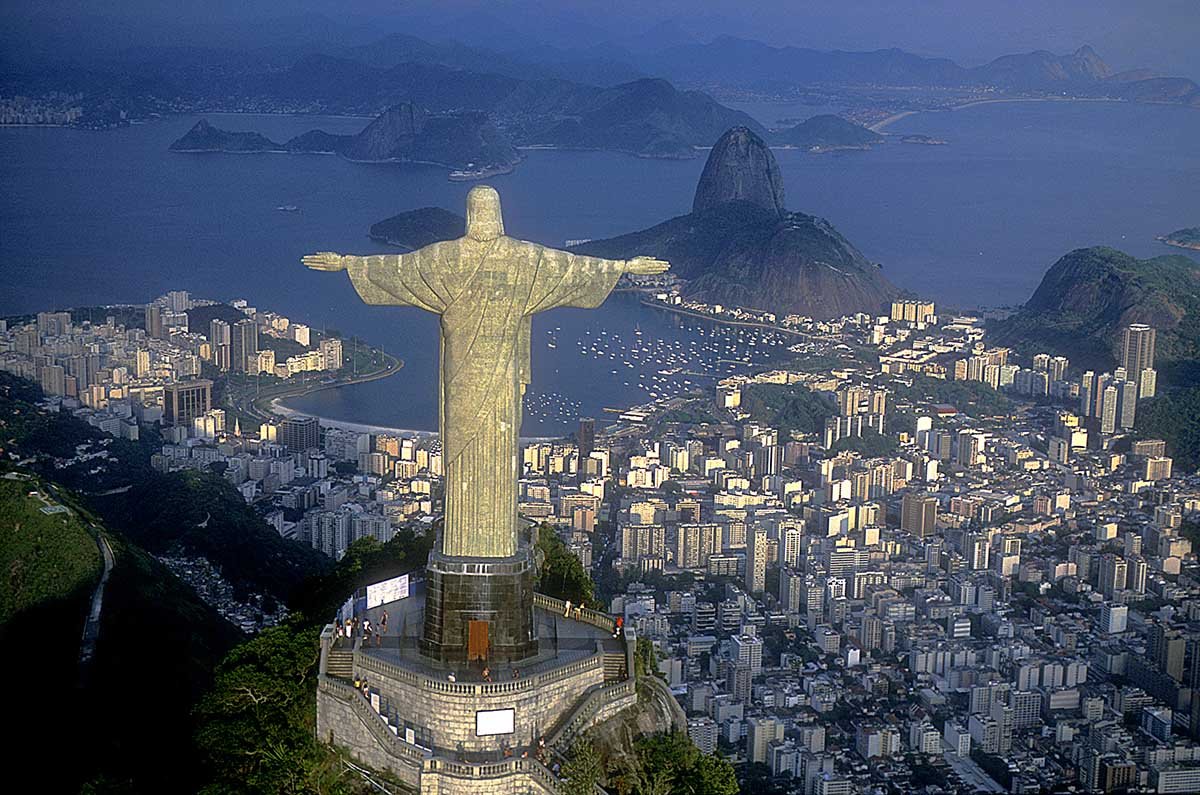
South America is a land of vibrant cultures, breathtaking landscapes, and a rich tapestry of history. The continent’s historic cities tell fascinating stories of indigenous civilizations, colonial influences, and the dynamic blend of old and new.
Whether you’re a history enthusiast or a casual traveler seeking meaningful experiences, exploring these cities offers a unique glimpse into the past while connecting with the present. In this article, we’ll uncover some of the must-see historic cities in South America and why they should be on your travel bucket list.
1. Cusco, Peru: The Heart of the Inca Empire
Nestled high in the Andes, Cusco was once the capital of the mighty Inca Empire. This UNESCO World Heritage site is a living testament to the fusion of Inca and Spanish colonial history. The city, often referred to as the “Archaeological Capital of the Americas,” is brimming with history at every turn.
Walking through the cobblestone streets, you’ll find iconic landmarks such as the Plaza de Armas and the Qorikancha temple, which blend ancient Inca foundations with colonial architecture. The cathedral on the main square, constructed by the Spanish in the 17th century, is another architectural marvel that houses intricate woodwork and priceless artworks.
A visit to Cusco isn’t complete without exploring the nearby Sacsayhuamán fortress, known for its massive stone walls that continue to baffle archaeologists. These walls, built with such precision that not even a blade of grass can fit between the stones, are a testament to the advanced engineering skills of the Incas.
Additionally, Cusco serves as the gateway to the world-famous Machu Picchu, making it an essential stop for travelers eager to delve into Peru’s rich history. Beyond its historical sites, the vibrant local markets, colorful festivals like Inti Raymi, and the warm hospitality of its residents add another layer of cultural immersion, ensuring there’s something for everyone to enjoy.
Cusco also offers visitors an opportunity to explore the Sacred Valley, home to other significant Inca sites like Ollantaytambo and Pisac. These sites provide further insight into the architectural and agricultural ingenuity of the Inca civilization. Whether hiking through ancient trails or indulging in traditional Peruvian cuisine, Cusco is a city that leaves an indelible mark on its visitors.
2. Cartagena, Colombia: A Colonial Gem by the Caribbean
Cartagena’s walled city is a stunning showcase of colonial architecture, vibrant colors, and a lively atmosphere that transports visitors back to the 16th century. Founded in 1533, this coastal city was a key port during the Spanish Empire, often targeted by pirates for its wealth. The city’s strategic importance led to the construction of robust fortifications, many of which still stand today.
The historic center, a UNESCO World Heritage site, is impeccably preserved. Stroll through the charming streets to discover landmarks like the Castillo San Felipe de Barajas, a formidable fortress built to protect the city from invaders. This engineering marvel offers panoramic views of the city and the Caribbean Sea.
The Church of San Pedro Claver, dedicated to the “Apostle of the Slaves,” is another must-visit site. The church’s history is intertwined with the city’s role in the transatlantic slave trade, serving as a poignant reminder of the past. Nearby, the Palace of the Inquisition offers insights into Cartagena’s darker history during the colonial era.
For those seeking more than just history, Cartagena’s Caribbean beaches and vibrant nightlife provide the perfect balance of relaxation and excitement. The lively Getsemaní neighborhood, known for its street art and bohemian vibe, showcases the city’s modern energy. Cartagena’s fusion of old-world charm and contemporary dynamism makes it a destination that lingers in the hearts of its visitors.
Beyond the walled city, Cartagena offers excursions to nearby attractions such as the Rosario Islands, a paradise of crystal-clear waters and coral reefs. These islands are perfect for snorkeling, diving, or simply unwinding. The city’s culinary scene, blending Afro-Caribbean flavors with modern twists, is another highlight that captivates food enthusiasts.
3. Ouro Preto, Brazil: The Baroque Treasure
Located in the mountains of Minas Gerais, Ouro Preto is a historic city that flourished during Brazil’s 18th-century gold rush. Its name, meaning “Black Gold,” reflects its past as a hub of wealth and power. The city’s baroque architecture, particularly its ornate churches, stands as a testament to its opulent history and artistic legacy.
Among the highlights is the Church of São Francisco de Assis, a masterpiece designed by the renowned artist and architect Aleijadinho. This church is celebrated for its intricate carvings and sculptures, showcasing the height of Brazilian baroque art. Another notable site is the Church of Nossa Senhora do Pilar, which dazzles visitors with its gold-adorned interiors.
Visitors can also explore the Museu da Inconfidência, housed in the former colonial governor’s palace. This museum delves into Brazil’s struggle for independence and commemorates the leaders of the Inconfidência Mineira, a failed revolt against Portuguese rule. The museum’s exhibits offer a deeper understanding of the region’s complex history.
The steep, winding streets of Ouro Preto offer a picturesque journey through history, with stunning views of the surrounding hills. The city’s well-preserved colonial buildings and charming atmosphere make it feel like stepping back in time. Ouro Preto is not just a destination for history buffs but also a haven for art lovers and those seeking a glimpse into Brazil’s rich cultural heritage.
Beyond its historical sites, Ouro Preto is a gateway to other colonial towns like Mariana and Congonhas. These towns feature additional architectural gems and provide a broader perspective on Brazil’s colonial era. Visitors can also enjoy local festivals such as the Semana Santa, which brings baroque traditions to life through elaborate processions and ceremonies.
4. Quito, Ecuador: A City of Contrasts
As the first city to be declared a UNESCO World Heritage site, Quito boasts one of the best-preserved historic centers in Latin America. Nestled in the Andes at an altitude of 2,850 meters, Quito’s Old Town is a maze of narrow streets, colonial-era churches, and bustling plazas.
One of the city’s most iconic landmarks is the Church of La Compañía de Jesús, renowned for its stunning gold-leaf interior. This Jesuit church is often considered one of the most beautiful in the Americas. The Plaza Grande serves as the heart of the city, surrounded by the Presidential Palace, the Cathedral of Quito, and other significant buildings.
Visitors can also climb the Basílica del Voto Nacional, a neo-Gothic church offering panoramic views of the city and its dramatic mountainous backdrop. The nearby Calle La Ronda, a historic street lined with shops, galleries, and restaurants, is perfect for soaking in Quito’s vibrant culture.
Quito seamlessly blends its historic charm with modern innovation, offering a unique contrast that captivates visitors. The city is also a gateway to Ecuador’s natural wonders, including the Galápagos Islands and the Avenue of Volcanoes. Whether exploring its rich heritage or savoring its vibrant culinary scene, Quito is a destination that leaves a lasting impression.
The city’s festivals, such as Fiestas de Quito, bring its history and culture to life with parades, music, and traditional dances. These celebrations provide a deeper appreciation of Quito’s vibrant spirit. Additionally, the Mitad del Mundo monument, located just outside the city, offers a unique experience of standing on the equator.
5. Sucre, Bolivia: The White City of South America
Known as Bolivia’s constitutional capital, Sucre is often referred to as the “White City” due to its pristine colonial buildings. The city played a pivotal role in Bolivia’s independence movement and remains a cultural and historical hub.
Key attractions include the Casa de la Libertad, where Bolivia’s Declaration of Independence was signed in 1825. This historic building houses a museum that offers insights into the country’s fight for freedom. Another notable site is the Metropolitan Cathedral, a striking example of colonial architecture with its ornate façade and intricate interiors.
The La Recoleta viewpoint offers breathtaking views of the city and surrounding landscapes, providing a tranquil escape from the bustling streets. Nearby, the Museo de Arte Indígena showcases the rich traditions and craftsmanship of Bolivia’s indigenous communities.
Sucre’s laid-back atmosphere makes it an ideal destination for travelers looking to immerse themselves in history at a relaxed pace. The city’s rich traditions, lively festivals, and warm hospitality provide a deeper connection to Bolivia’s heritage and people. Its charming streets and cultural vibrancy ensure a memorable experience for all who visit.
Sucre also serves as a base for exploring nearby attractions like the Tarabuco Market, known for its vibrant textiles and traditional goods. The Cal Orck’o dinosaur tracks, located just outside the city, offer a fascinating glimpse into prehistoric times, adding another layer to Sucre’s appeal.
Conclusion
South America’s historic cities are more than just destinations; they are gateways to understanding the continent’s complex and fascinating history. From the ancient ruins of Cusco to the colonial charm of Cartagena, each city offers a unique journey through time.
Whether you’re marveling at baroque architecture, strolling through vibrant markets, or simply soaking in the atmosphere, these cities promise unforgettable experiences. They stand as living museums, preserving the stories of civilizations past while embracing the dynamic spirit of the present.
Exploring these cities also opens doors to their surrounding regions, offering natural wonders and cultural experiences that enrich the journey. Have you visited any of these historic gems? Share your favorite memories or plans in the comments below, and don’t forget to spread the word about these incredible destinations by sharing this article with fellow travelers!

Explicapramim is a blog dedicated to simplifying the world of finance in an accessible and practical way. Created by Rui Hachimura, the blog provides valuable tips on financial planning, investments, personal budgeting, and strategies to achieve financial independence. Whether you’re a beginner or someone looking to improve your financial knowledge, Explicapramim offers clear and actionable insights to help you make smarter money decisions.