
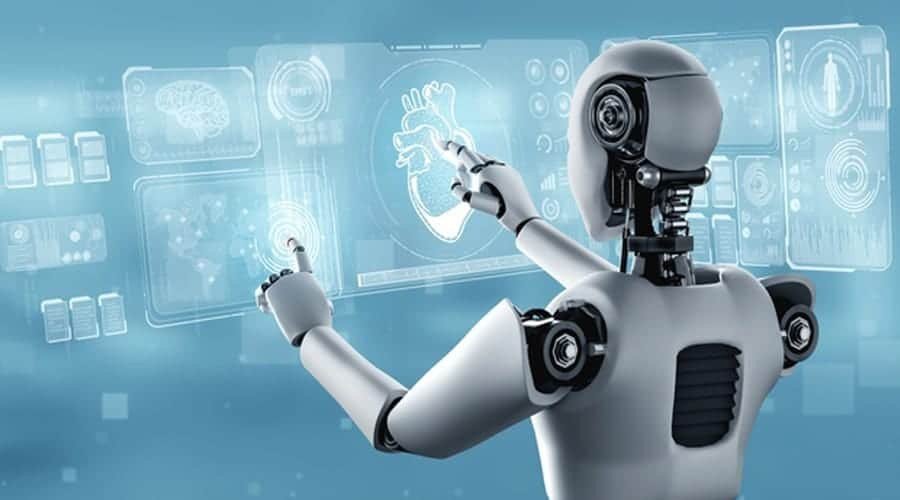
The rapid advancements in robotics have transformed many aspects of our daily lives, from the way we work to how we interact with the world around us. Once confined to science fiction, robots are now part of our homes, workplaces, and public spaces.
Whether assisting with household chores, providing healthcare, or enhancing manufacturing processes, robotics technology is reshaping modern life in unprecedented ways.
In recent years, the integration of robotics into everyday activities has gone from luxury to necessity. Automated systems and intelligent machines have become indispensable in streamlining operations, saving time, and improving efficiency. As technology continues to evolve, the potential for robotics to further enhance our daily experiences is immense.
This article delves deep into the role of robotics in our daily lives, exploring where we stand today and what lies ahead. With insights from industry experts, personal experiences, and practical resources, you’ll gain a comprehensive understanding of how robotics is shaping the present and what innovations await in the near future.
Robotics at Home: The Silent Revolution
The Rise of Smart Home Assistants
Smart home devices like robotic vacuum cleaners, voice-controlled assistants, and automated lighting systems are some of the most common examples of how robotics have entered our homes.
Devices such as Roombas have made floor cleaning more convenient, while smart hubs like Amazon Echo or Google Nest use AI-driven automation to control various home appliances. These technologies save time and enhance comfort, turning homes into interconnected ecosystems. Beyond these well-known examples, emerging robotic technologies are tackling tasks like window cleaning, lawn maintenance, and even pet care, making the smart home of the future even more autonomous.
Moreover, advancements in AI have enabled these devices to learn user preferences over time. For instance, robotic assistants can now anticipate the optimal room temperature or lighting based on daily routines, creating a truly personalized home experience. This customization not only saves energy but also enhances convenience.
Personal Experience: How My Robot Vacuum Changed Daily Life
As someone who struggled with maintaining a clean home due to a busy schedule, investing in a robotic vacuum cleaner was a game changer. With scheduled cleaning routines, I no longer worry about vacuuming manually, freeing up more time for family and hobbies. This small but impactful change demonstrates the everyday practicality of robotics.
In addition to vacuuming, many households report similar benefits with robotic lawnmowers and window-cleaning robots. These devices reduce the burden of repetitive chores, allowing individuals to focus on more meaningful activities.
Future Potential of Robotics in Homes
Experts predict that in the future, home robotics will become more intelligent, adaptive, and multi-functional. From cooking robots that prepare gourmet meals to systems that provide eldercare assistance, the possibilities are vast. Companies like Moley Robotics are already pioneering robotic kitchen solutions, setting the stage for a highly automated home life.
Other emerging technologies include robotic furniture that reconfigures itself to optimize space, and robots capable of managing home security through advanced surveillance and threat detection. These innovations promise to make homes safer and more efficient.
Challenges and Accessibility
While robotics offers convenience, their adoption can be limited by costs and technical knowledge. Companies need to focus on making these technologies more affordable and user-friendly to ensure widespread adoption. Additionally, providing robust customer support and clear user manuals will be crucial for addressing concerns among less tech-savvy users.
Robotics in Healthcare: Saving Lives and Enhancing Care
Robotics in Medical Procedures
Robots like the da Vinci Surgical System have revolutionized surgeries, enabling minimally invasive procedures with precision that surpasses human capabilities. These machines reduce recovery times and improve patient outcomes, making healthcare more efficient and effective.
Beyond surgical applications, robots are being used in diagnostic imaging, where their precision enhances the detection of diseases such as cancer. Robotic-assisted biopsies and imaging technologies have increased the accuracy of diagnoses, potentially saving countless lives.
Assistive Robots: Empowering Patients
Robots are not only helping doctors but also patients. Assistive robots, like exoskeletons, are empowering individuals with mobility challenges. For example, the ReWalk Robotics exoskeleton enables people with spinal cord injuries to walk again, redefining what’s possible in rehabilitation.
Social robots are another area of growth. Devices like PARO, a robotic seal, provide therapeutic benefits to patients with dementia, autism, and other conditions. These robots simulate interaction and companionship, offering emotional support to those in need.
Interview with a Robotics Healthcare Specialist
Dr. Sarah Lin, a robotics engineer in healthcare, shared her thoughts: “The integration of robotics in healthcare has only scratched the surface. From diagnosing diseases using AI to providing mental health support through robotic companions, the future of healthcare is boundless. We are also seeing significant advancements in telepresence robots, which allow doctors to provide consultations remotely.”
Addressing Ethical and Privacy Concerns
Despite its benefits, robotics in healthcare raises ethical questions about data privacy, human-robot interaction, and the potential loss of human touch in caregiving. Striking a balance between innovation and empathy remains a critical challenge. Governments and organizations must work together to establish clear guidelines that prioritize patient well-being.
Robotics in Workplaces: Transforming Industries
Automation in Manufacturing
Robotics has long been a cornerstone of the manufacturing sector. Robotic arms on assembly lines can work tirelessly with precision, increasing production rates and reducing costs. Tesla’s Gigafactories, for instance, utilize robotics extensively to build electric cars, setting benchmarks for industrial efficiency.
In addition, advanced robotics systems powered by AI can perform quality control inspections, identifying defects with unparalleled accuracy. This ensures higher product standards and reduces waste.
Collaborative Robots (Cobots)
Unlike traditional industrial robots, collaborative robots, or cobots, are designed to work alongside humans. They assist with repetitive or physically demanding tasks, enhancing worker productivity while maintaining safety. Cobots like those developed by Universal Robots are particularly beneficial for small and medium-sized businesses.
With the ability to be easily programmed, cobots are versatile and can be adapted for various tasks across industries. This flexibility makes them an attractive option for companies seeking to automate without replacing human workers.
Personal Story: My Experience with Cobots
During an internship at a logistics company, I saw firsthand how cobots simplified tasks like inventory management. These robots were programmed to pick and place items accurately, allowing employees to focus on more strategic roles, boosting both morale and efficiency.
The Future of Robotics in the Workplace
The workplace of the future will likely see greater integration of robotics, with AI-powered machines taking on more complex roles. However, reskilling the workforce to adapt to these changes remains a critical priority. Governments and corporations must invest in training programs to ensure workers can transition to new roles.
Robotics in Education and Learning
Teaching Robots in Classrooms
Robots like NAO and Pepper are making their way into classrooms, serving as teaching assistants that engage students in interactive and personalized learning experiences. These robots can teach programming skills, languages, and even provide emotional support to students.
In STEM education, robots help students understand abstract concepts through hands-on learning. For example, robotic kits allow students to build and program their own machines, fostering creativity and critical thinking.
Robotics Camps and Workshops for Kids
Educational institutions are introducing robotics camps and STEM workshops to foster interest in technology among children. Programs like FIRST Robotics encourage kids to build and program robots, developing problem-solving and teamwork skills.
These initiatives are not only preparing students for future careers but also nurturing a generation of innovators. The early exposure to robotics ensures that children grow comfortable with technology, paving the way for future advancements.
Interview with a Robotics Educator
Professor James Carter, a robotics educator, explains: “Robotics is an incredible tool for engaging students. It makes learning tangible and fun while preparing them for future careers in tech. We’re seeing growing interest, especially as coding and robotics become integral parts of modern curriculums.”
Challenges in Widespread Adoption
Despite its benefits, robotics in education faces hurdles such as high costs and the need for trained instructors. Bridging these gaps is essential to make robotics education accessible to all. Governments and private organizations must collaborate to provide funding and resources to underserved communities.
The Future of Robotics: What’s Next?
Advances in AI and Machine Learning
AI-driven robotics will continue to advance, making robots more intuitive and capable of handling complex tasks. Innovations like OpenAI’s robotics initiatives demonstrate how machines are learning to adapt to real-world challenges autonomously.
Future robots will likely feature advanced natural language processing capabilities, enabling more seamless interactions with humans. This could revolutionize customer service, caregiving, and education.
Robotics in Space Exploration
Robotics will play a significant role in space exploration, with rovers like Perseverance already paving the way. Future missions will rely on autonomous robots to explore and even build habitats on other planets.
NASA and private companies like SpaceX are investing heavily in robotics to support long-term space exploration. These robots will need to function independently in harsh environments, pushing the boundaries of engineering and AI.
The Rise of Social Robots
Social robots like SoftBank’s Pepper are gaining traction as companions in homes and workplaces. These robots can interact with humans on an emotional level, providing companionship and support.
In eldercare, social robots could reduce loneliness and improve mental health, particularly in aging populations. Their potential extends to retail and hospitality, where they can enhance customer experiences.
Ethical Considerations for the Future
As robotics becomes more pervasive, ethical considerations around job displacement, data privacy, and human dependency on machines must be addressed. Governments and organizations will need to collaborate to establish guidelines for responsible robotics development. Public awareness campaigns can also help address concerns and promote trust in robotics.
Conclusion
Robotics is no longer a futuristic concept—it’s a part of our everyday lives, transforming how we live, work, and interact with the world. From improving healthcare to streamlining industrial processes and enhancing education, robots have proven their value in countless areas.
As we look ahead, the possibilities for robotics are limitless. By embracing innovation while addressing ethical and practical challenges, we can ensure a future where robots continue to enhance our quality of life. Whether it’s in homes, workplaces, or schools, robotics holds the potential to redefine the human experience for the better.
The journey of robotics has just begun, and the best is yet to come.

Explicapramim is a blog dedicated to simplifying the world of finance in an accessible and practical way. Created by Rui Hachimura, the blog provides valuable tips on financial planning, investments, personal budgeting, and strategies to achieve financial independence. Whether you’re a beginner or someone looking to improve your financial knowledge, Explicapramim offers clear and actionable insights to help you make smarter money decisions.