
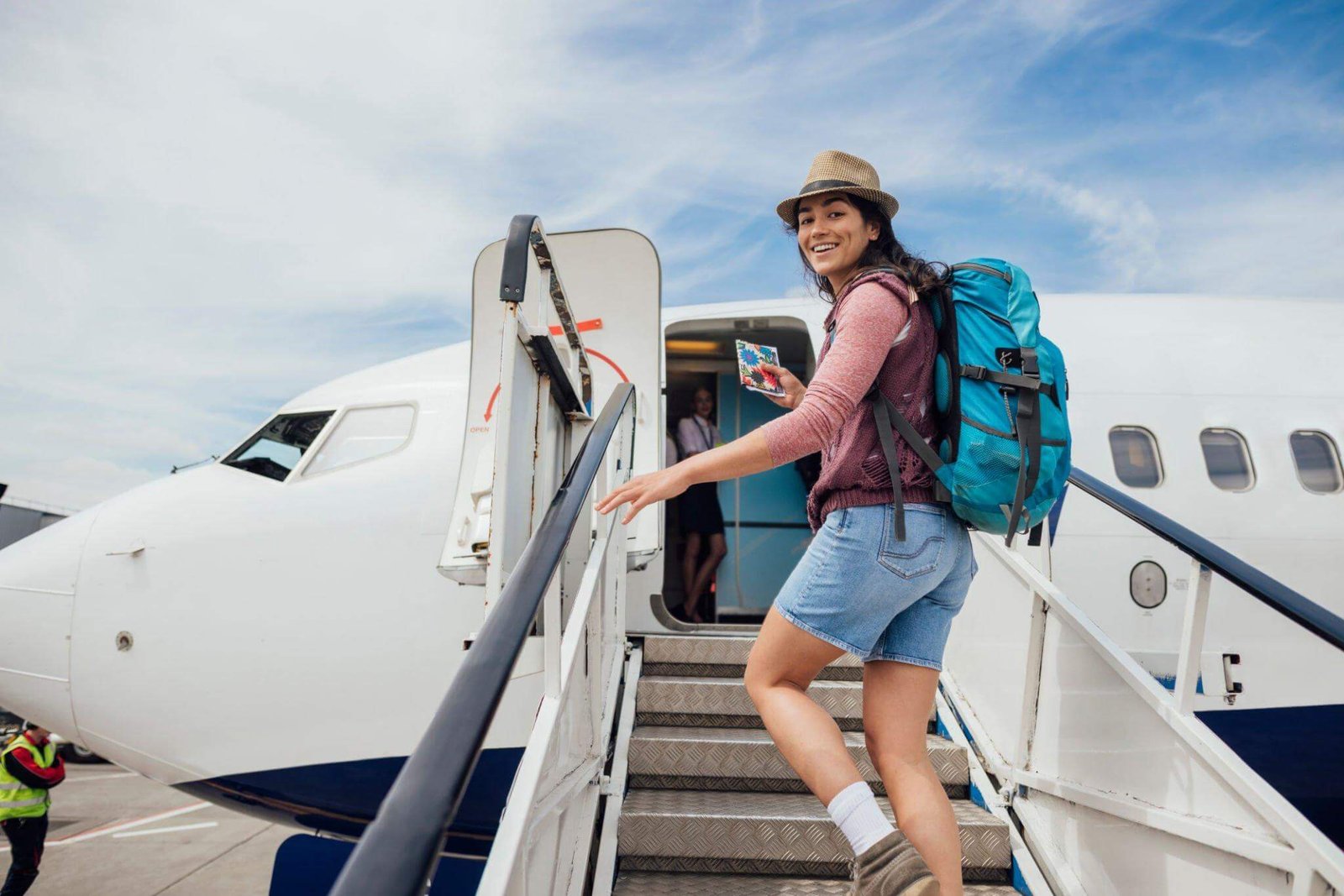
Traveling solo is a life-changing experience that allows you to explore the world on your own terms. Whether you’re looking to embrace independence, meet new people, or simply take a break from your routine, solo travel can be incredibly rewarding.
However, it also comes with its unique set of challenges and risks. For this reason, knowing how to stay safe while enjoying your adventure is crucial.
In this article, we’ll share practical tips and strategies to help solo travelers explore the world safely. From planning your trip to staying vigilant on the go, these insights will empower you to make the most of your journey. Ready to embark on an adventure of a lifetime? Let’s dive in!
1. Plan Your Trip Thoroughly
One of the most critical steps to ensure a safe solo trip is thorough planning. While spontaneity is part of the charm of solo travel, having a solid plan in place can help avoid unnecessary risks.
Research Your Destination
Before heading out, familiarize yourself with the culture, customs, and safety conditions of your destination. Look into areas to avoid, local laws, and common scams. For instance, reading travel advisories from trusted sources like government websites or well-known travel blogs can provide valuable insights.
Learn about the best modes of transportation and check if there are any restrictions for tourists. Knowing about local festivals, traditions, or potential political unrest can help you plan your activities accordingly. Dive deeper into your research by watching travel vlogs, joining forums, and consulting guidebooks. This additional layer of information can prepare you for any cultural nuances or safety concerns.
Book Accommodation in Advance
Always secure your accommodation before arriving at your destination, especially if you’re arriving late at night. Choose reputable hotels, hostels, or vacation rentals with positive reviews. Opt for places located in safe neighborhoods, preferably close to public transportation and essential amenities.
Look for accommodations that cater to solo travelers. Many hostels and boutique hotels offer female-only dorms, 24-hour security, or additional amenities like guided tours. Take note of transportation options available from your accommodation to popular attractions.
Create an Itinerary
While you don’t need to plan every moment of your trip, having a rough itinerary can make a big difference. Include major attractions, activities, and approximate timelines. Share your plans with a trusted friend or family member so someone knows your whereabouts.
Using apps like Google Maps or Citymapper to mark important locations such as your accommodation, police stations, hospitals, and embassies can provide added peace of mind. Additionally, consider downloading offline maps in case you lose internet access. Print out a hard copy of your itinerary and maps for backup.
2. Pack Smart and Light
Packing efficiently is another cornerstone of safe solo travel. What you bring can greatly influence your overall experience and safety.
Keep Essentials Handy
Make a checklist of important items such as your passport, travel insurance, credit cards, and a small amount of local currency. Keep these in a secure, easily accessible place like a money belt, anti-theft backpack, or hidden pouch.
Make digital copies of your important documents and store them securely in cloud services like Google Drive or Dropbox. This can be a lifesaver if you lose your physical copies. Consider encrypting sensitive files for added security.
Carry a First Aid Kit
A compact first aid kit with essentials like band-aids, pain relievers, antihistamines, and antiseptics can be a lifesaver in unexpected situations. If you have specific medical needs, carry enough supplies to last your trip. Include extras like rehydration salts, mosquito repellent, and hand sanitizer.
Pack Light
Overpacking not only makes your journey cumbersome but can also make you an easy target for theft. Stick to versatile clothing that can be layered and mixed. Remember, you can always do laundry on the go. Opt for neutral colors to blend in with locals and avoid drawing unnecessary attention. Rolling your clothes instead of folding them saves space and minimizes wrinkles.
Secure Your Electronics
If you’re carrying gadgets like a smartphone, tablet, or camera, invest in protective cases. A portable power bank is invaluable for keeping your devices charged, especially during long journeys or hikes. Consider RFID-blocking sleeves for credit cards and passport to protect against digital theft.
3. Stay Connected and Informed
When you’re traveling alone, staying connected with friends and family is vital for your safety and peace of mind.
Regular Updates
Keep loved ones informed about your location and plans. Apps like WhatsApp, Find My Friends, or Life360 allow you to share your location in real-time. Setting up regular check-ins can provide an added layer of security. Create a group chat to update multiple people at once.
Local Emergency Numbers
Save local emergency contacts in your phone. In many countries, the emergency number is different from the one you’re used to, so make sure to look it up before you go. Write these numbers down and keep them in your wallet or notebook for backup. Learn key phrases in the local language to communicate in emergencies.
Invest in a Local SIM Card
Having access to mobile data can be a game changer. It allows you to use maps, contact people, and stay informed about local news and weather. Many airports offer affordable SIM cards for tourists, or you can explore international plans with your current provider. Some SIM cards also provide free access to emergency services.
Join Online Communities
Platforms like Facebook groups or Reddit communities for travelers often provide valuable tips and support. You can connect with other solo travelers for advice, meetups, or even recommendations for reliable local guides. Engaging in these communities before your trip can also help you establish contacts at your destination.
4. Trust Your Instincts and Stay Vigilant
Your instincts are one of your best tools for staying safe. Listening to your gut can help you avoid potentially dangerous situations.
Avoid Over-Sharing
Be cautious about sharing your travel plans with strangers. While it’s good to socialize, divulging too much information can make you vulnerable. Instead, stick to general details when chatting with new acquaintances. Use discretion when posting your location on social media to avoid being tracked.
Be Aware of Your Surroundings
Stay alert, especially in crowded areas like markets or public transport, where pickpocketing is common. Keep your belongings close and avoid displaying expensive items like jewelry, designer bags, or high-end electronics. Develop a habit of scanning your environment frequently.
Trust Local Advice
Locals often know their area best. Don’t hesitate to ask trusted sources, like hotel staff or tour guides, for recommendations on safe places to visit or eat. However, remain cautious and verify suggestions if something feels off. Cross-check information online or through other travelers.
Have a Backup Plan
Things can go wrong, so it’s wise to have a backup plan. Carry a photocopy of important documents and store them separately from the originals. Research and note down the location of your country’s embassy or consulate. Carry a small stash of emergency cash in a hidden compartment.
5. Embrace the Journey but Set Boundaries
Traveling solo doesn’t mean you have to be alone all the time. Balancing independence with social interaction can make your trip more fulfilling.
Meet Fellow Travelers
Join group tours, attend events, or stay in hostels to meet like-minded people. Many solo travelers find it rewarding to share parts of their journey with others. Shared experiences often lead to lifelong friendships. Consider using apps like Meetup or Couchsurfing to connect with locals and travelers.
Set Personal Boundaries
While making new connections is exciting, it’s important to set limits. If someone’s behavior makes you uncomfortable, don’t hesitate to remove yourself from the situation. Learning to say no is a valuable skill for any solo traveler. Practice assertiveness while maintaining politeness.
Stay Sober and Aware
While enjoying the nightlife is part of the fun, drink responsibly. Avoid excessive alcohol consumption, especially when you’re alone, as it can impair judgment and make you more vulnerable. Stick to well-lit and reputable venues, and monitor your drink at all times.
Take Time for Yourself
Don’t forget to enjoy solitude. Whether it’s reading a book at a café, journaling, or taking a quiet walk on the beach, these moments of self-reflection can be incredibly rewarding. Use this time to recharge and appreciate the freedom that solo travel offers.
6. Leverage Technology for Safety
Modern technology offers a wide range of tools to enhance your safety and convenience while traveling solo.
Safety Apps
Apps like bSafe, GeoSure, and TripWhistle provide features such as location tracking, safety ratings, and emergency assistance. Familiarize yourself with these tools before your trip. Enable location sharing with a trusted contact.
Online Reviews
Use platforms like TripAdvisor and Google Reviews to vet accommodations, restaurants, and activities. Pay attention to reviews from other solo travelers for the most relevant insights. Look for patterns in reviews to identify potential red flags.
Digital Security
Ensure your devices are protected with strong passwords and two-factor authentication. Be cautious when using public Wi-Fi networks, and consider using a VPN to secure your data. Regularly back up your devices to prevent data loss in case of theft or damage.
Conclusion
Solo travel is a journey of self-discovery and adventure, but safety should always be a priority. By planning thoroughly, packing smart, staying connected, trusting your instincts, leveraging technology, and embracing the experience with boundaries, you can make your trip both safe and unforgettable.
Remember, the world is full of incredible places waiting to be explored. With these tips, you can confidently embark on your solo adventure, knowing you’re well-prepared for whatever comes your way. So, pack your bags, follow your dreams, and start your journey today!
What are your favorite solo travel safety tips? Share them in the comments below.

Explicapramim is a blog dedicated to simplifying the world of finance in an accessible and practical way. Created by Rui Hachimura, the blog provides valuable tips on financial planning, investments, personal budgeting, and strategies to achieve financial independence. Whether you’re a beginner or someone looking to improve your financial knowledge, Explicapramim offers clear and actionable insights to help you make smarter money decisions.